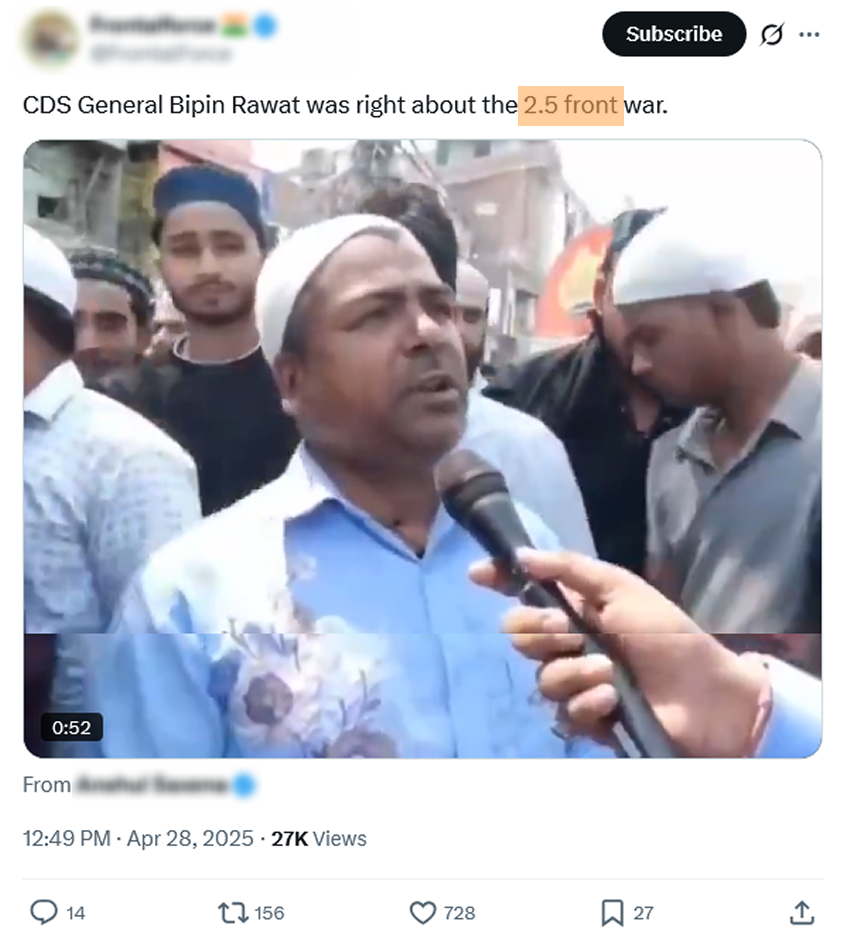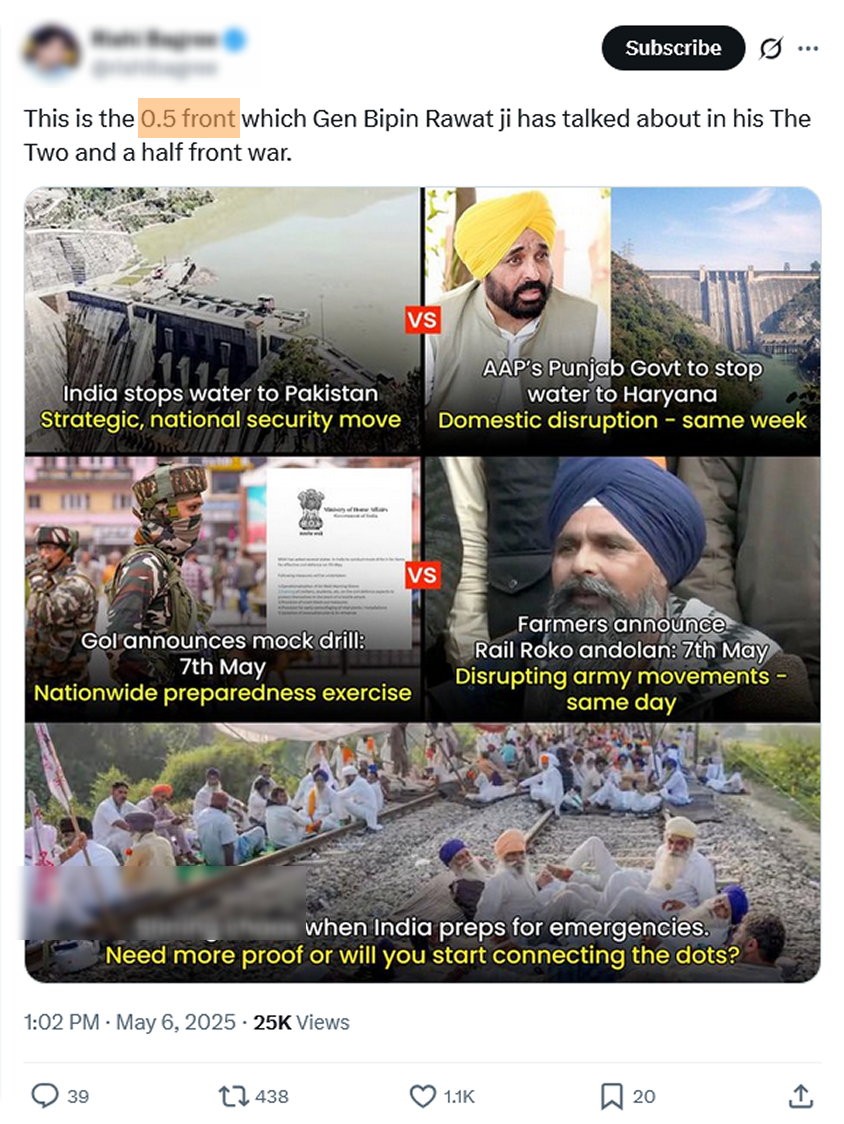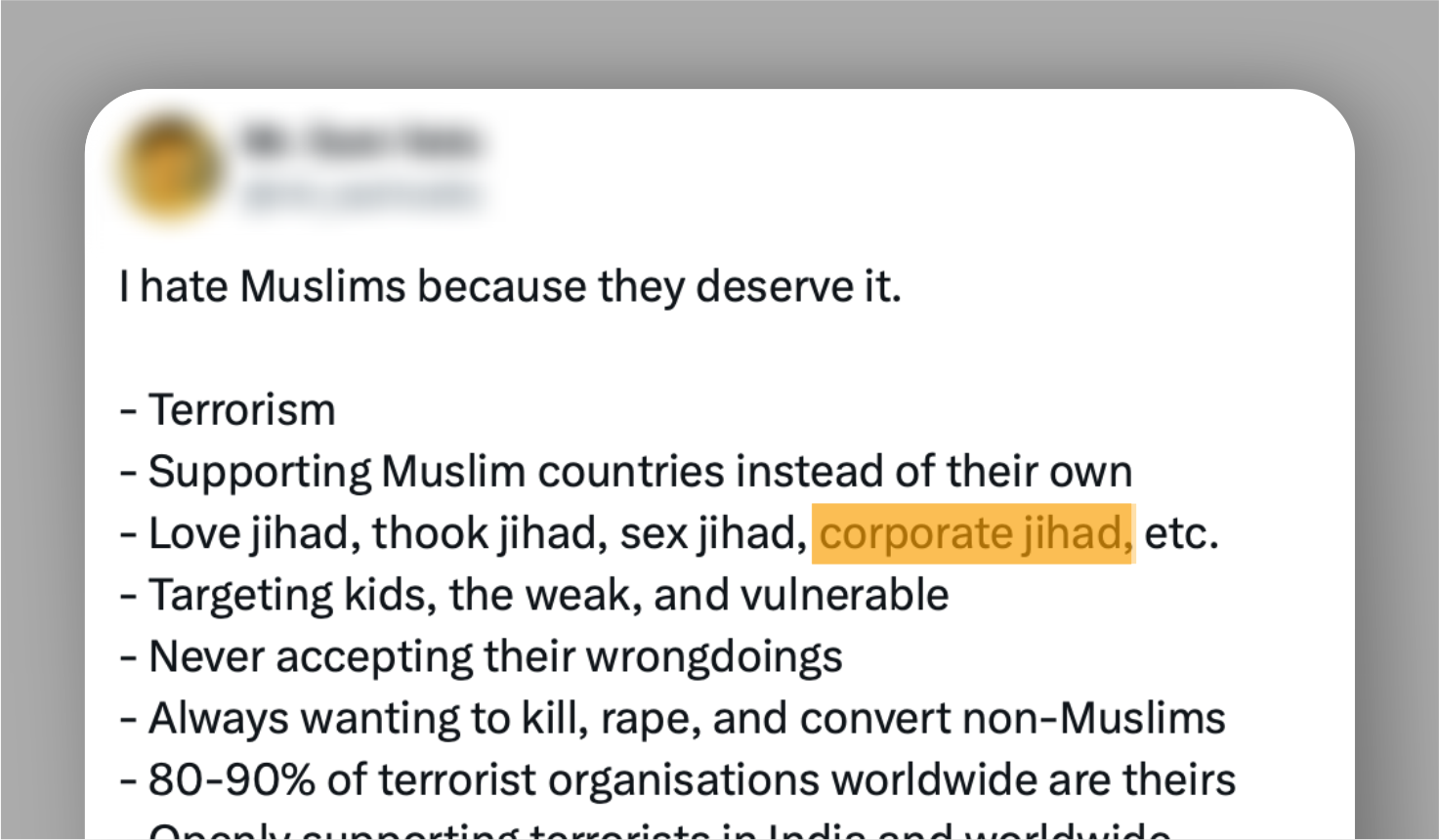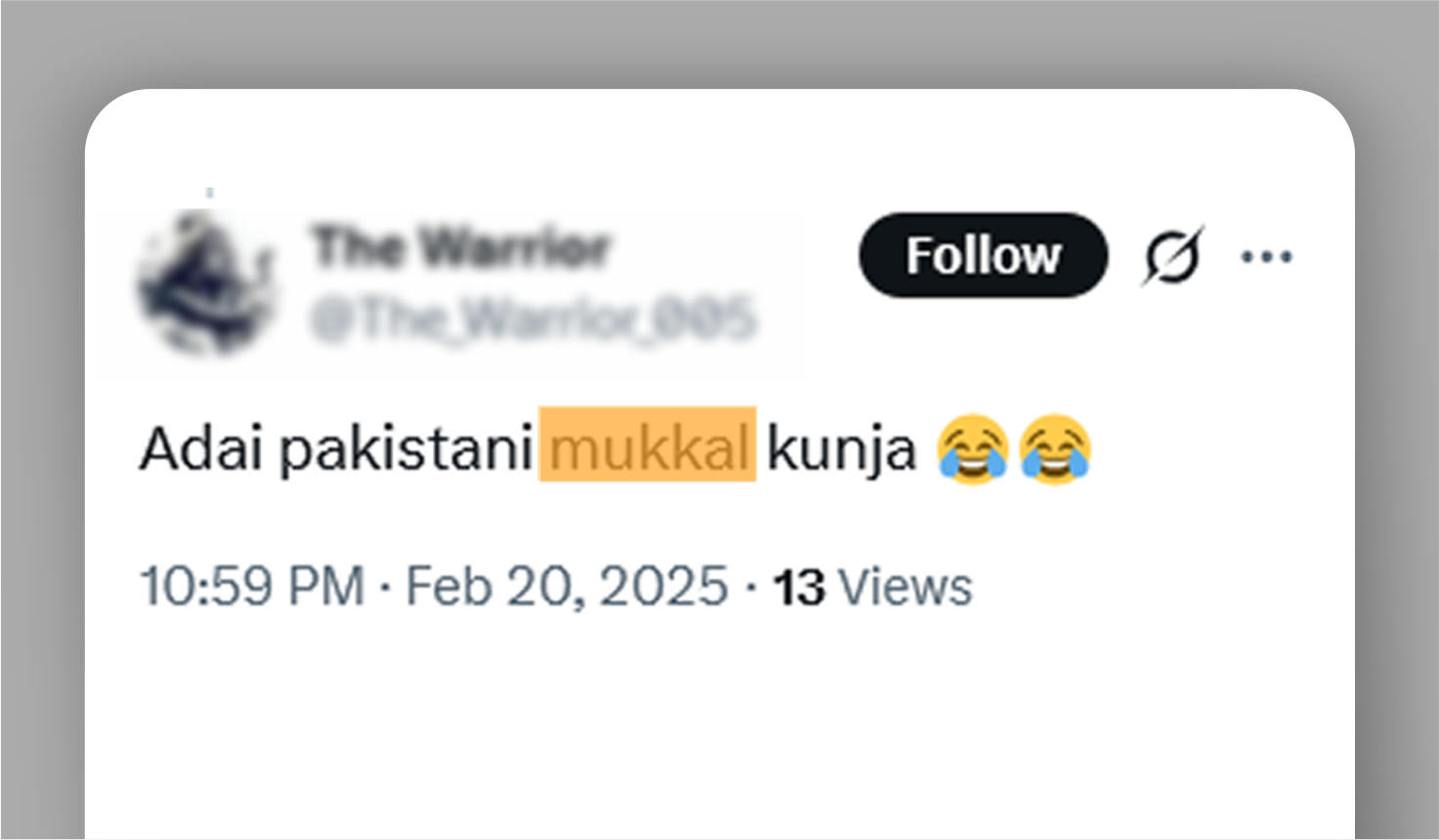
Originally a military doctrine, the two-and-a-half front phrase has been distorted by Hindu nationalist groups, political leaders, influencers, and aligned media outlets to advance an exclusionary and sectarian idea of national security. In this politicized usage, the “half front” no longer refers solely to internal insurgencies but to Indian Muslims, dissenters, and other minorities depicted as inherently disloyal to the nation.
Background and Context
The phrase originates in a series of public statements by India’s former Chief of Defence Staff, General Bipin Rawat. In addressing India’s simultaneous military challenges from two fronts, China and Pakistan, General Rawat repeatedly referred to a “half front” to describe internal security threats, such as separatist movements and armed insurgencies. However, the term has since been co-opted by Hindu nationalists to label religious minorities, particularly Muslims but also including critics as an internal “half front.” This rhetorical shift reframes Muslims as potential fifth columnists aligned with external enemies.
Impact and Harm
The two-and-a-half front phrase brands Indian Muslims and government critics as internal enemies of the state, equating religious identity and political dissent with betrayal. By applying military terminology to describe civilian populations, the two-and-a-half front framework transforms ordinary Muslim citizens into enemy combatants in the public imagination. This framing justifies state repression, promotes suspicion of Indians on religious grounds, and undermines civil liberties, turning minorities into targets of surveillance, discrimination, and violence.
Variants and Alternative Forms
2.5 front 0.5 front
Online Usage