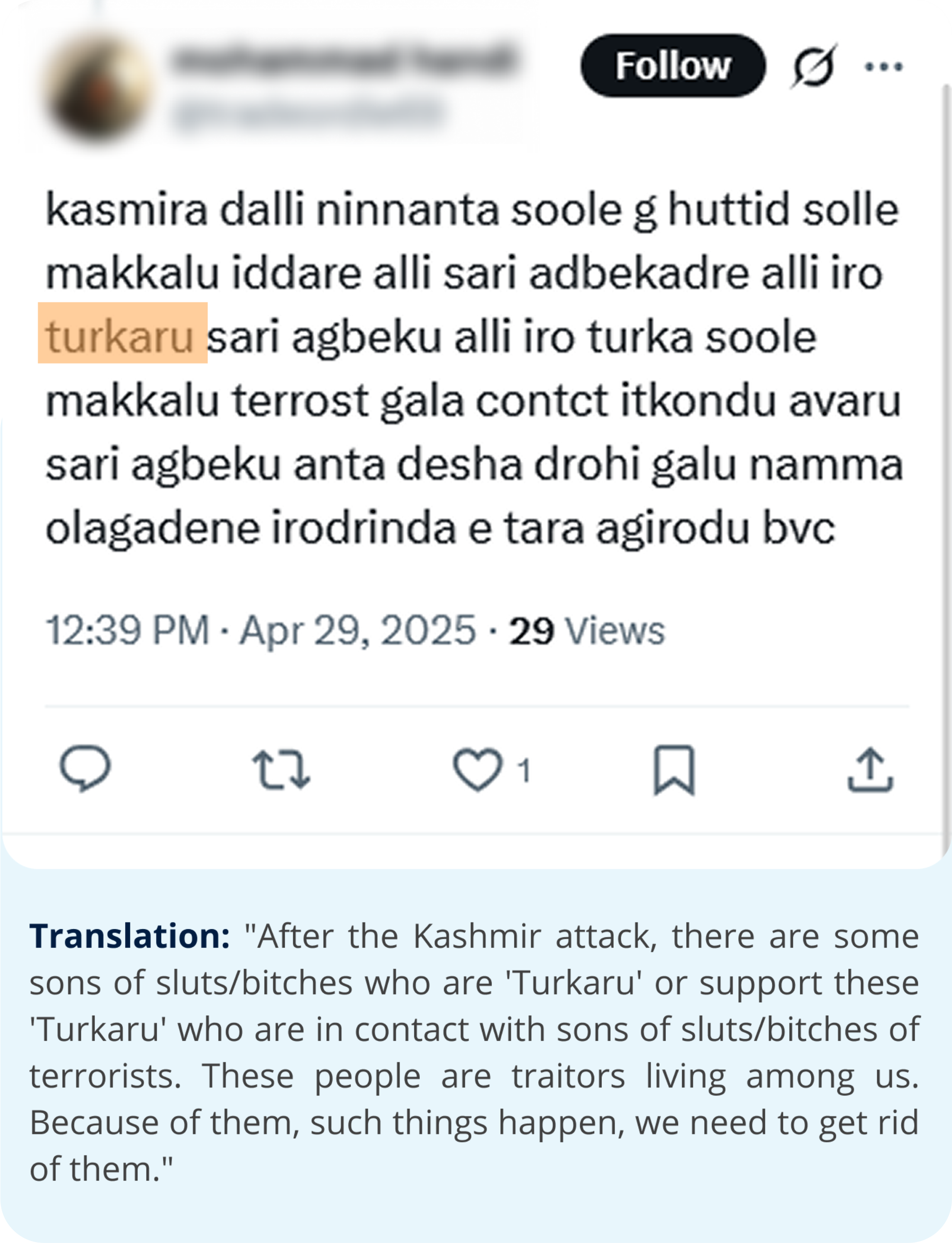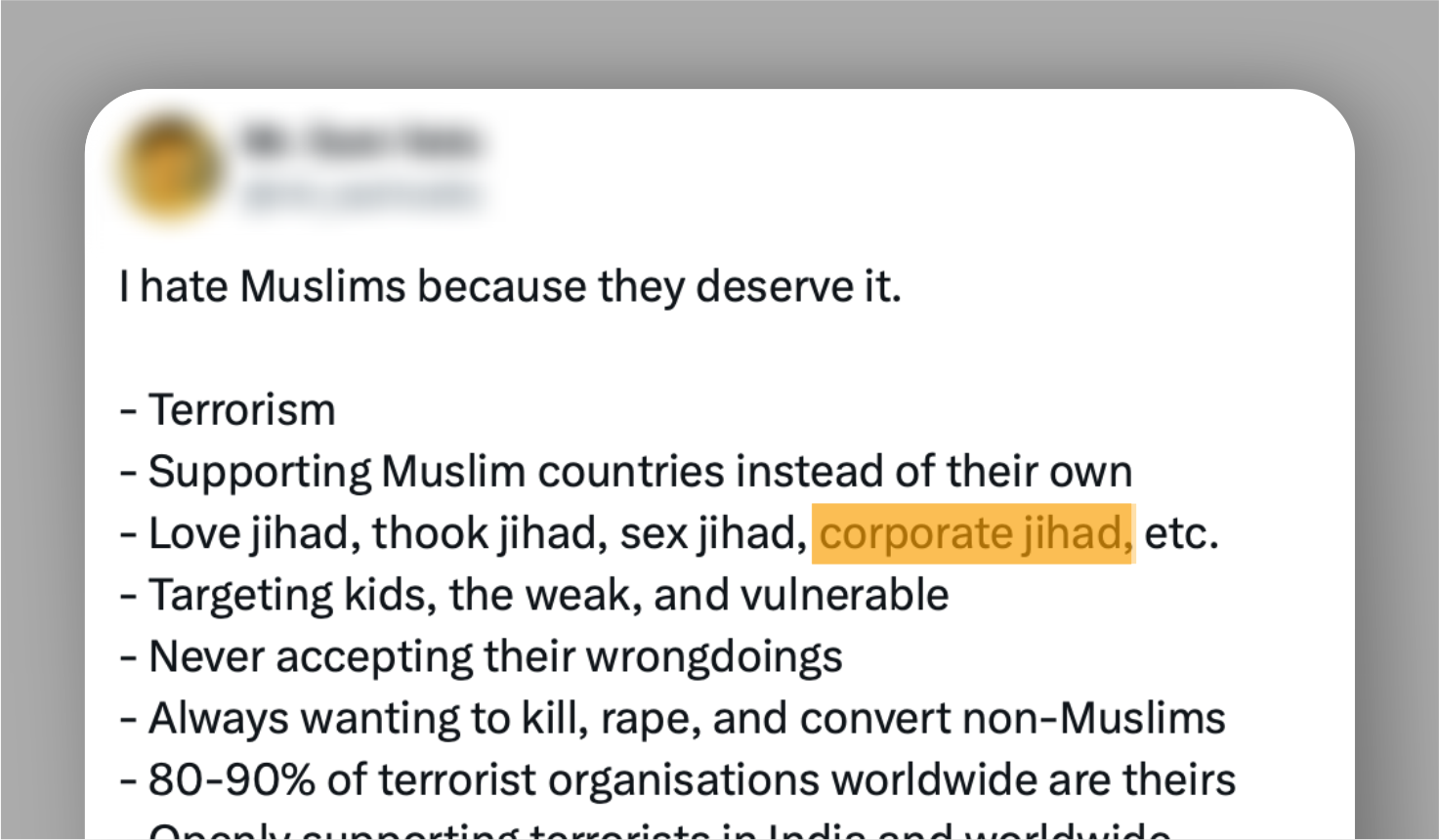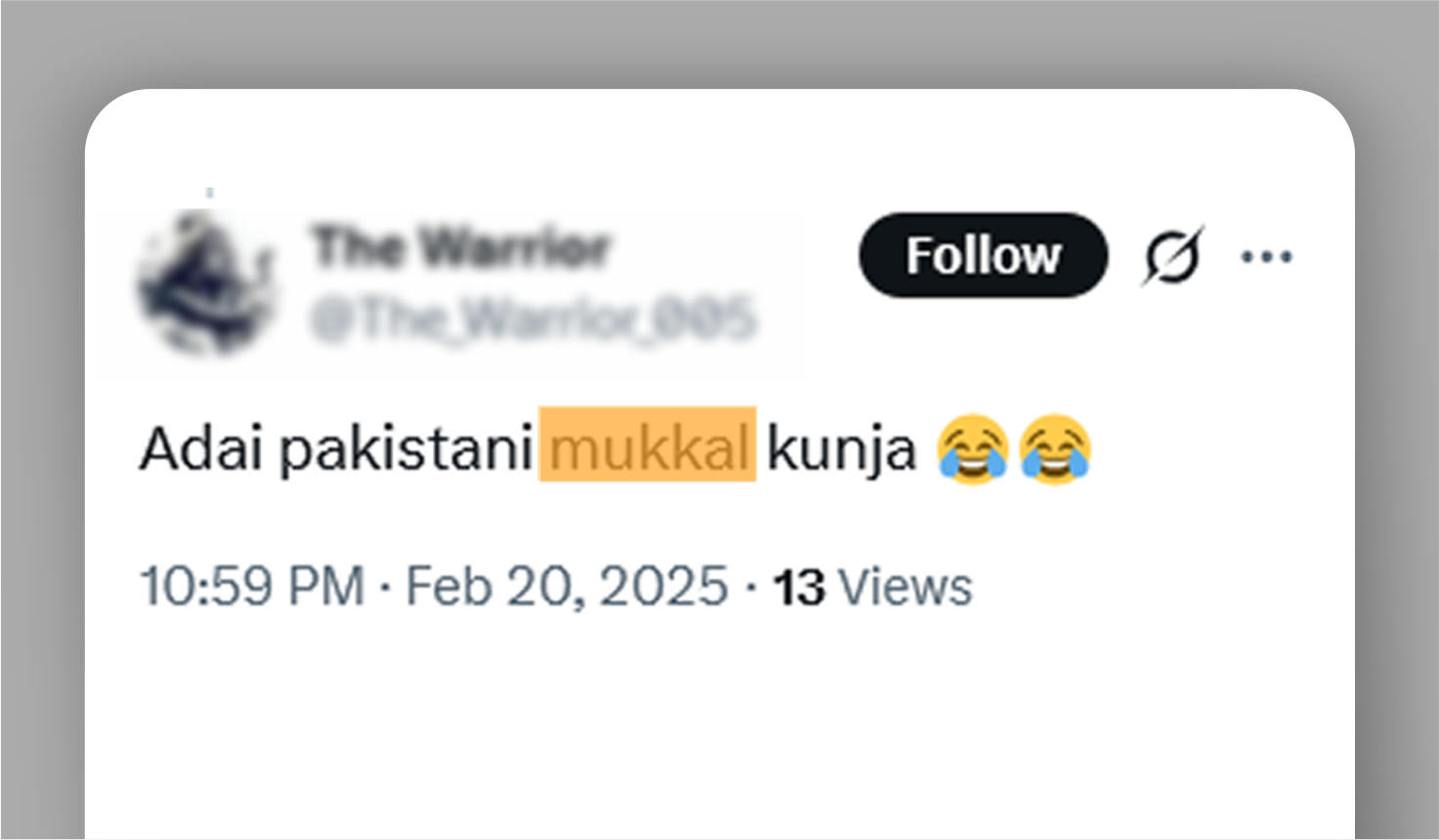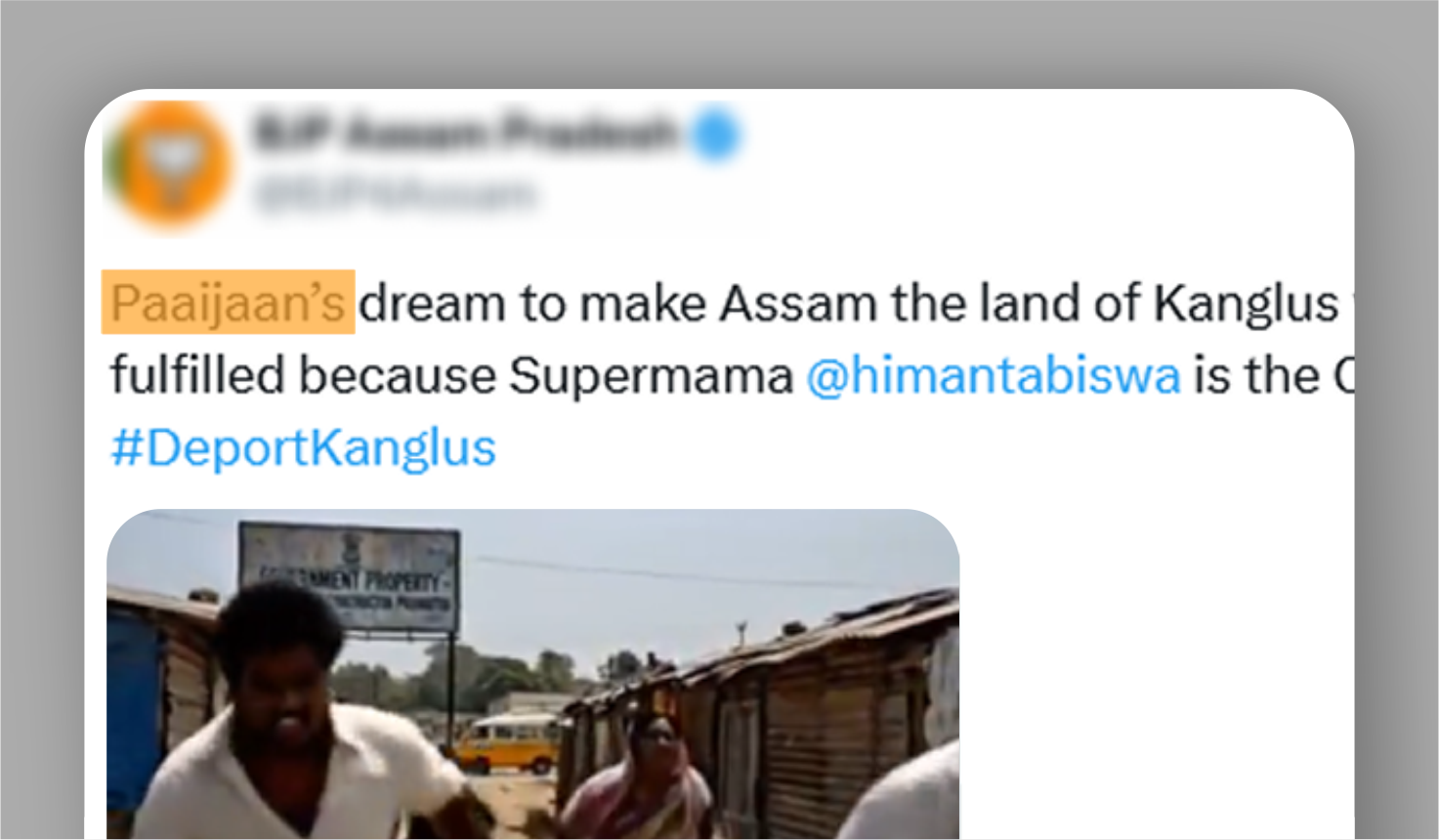
Turka historically referred to a person from Turkey but has been reframed as a term of abuse targeting Muslims broadly, particularly in Telugu-speaking regions of India. Variants of the term include Turkollu in Telugu, a language spoken primarily in the Indian states of Telangana and Andhra Pradesh, and “Turuka” in Kannada, which is spoken in Karnataka. Such terms frame Muslims as foreigners, negating their identity as Indians.
Background and Context
The usage of these terms as anti-Muslim labels is rooted in historical narratives that associate Indian Muslims primarily with the medieval Turkic rulers who Hindu nationalists characterize as foreign invaders and conquerors of the Indian subcontinent. While the terms initially referred to ethnic or geographical origins, they have gradually taken on pejorative identitarian associations, suggesting that Indian Muslims are outsiders to the Indian nation or descendants of foreign conquerors. This rhetoric is commonly deployed in the context of inter-religious conflicts, in political discourse, and in hate speech to portray Muslims as aliens and outsiders rather than as legitimate inhabitants and citizens of India.
Impact and Harm
These terms reinforce a divisive and exclusionary narrative that frames Indian Muslims as foreigners and historical enemies of India, undermining their claim of belonging and citizenship. Their use legitimizes discrimination and hostility toward Muslim communities.
Variants and Alternative Forms
తుర్కా తుర్కొల్లు ತುರುಕ್
Online Usage