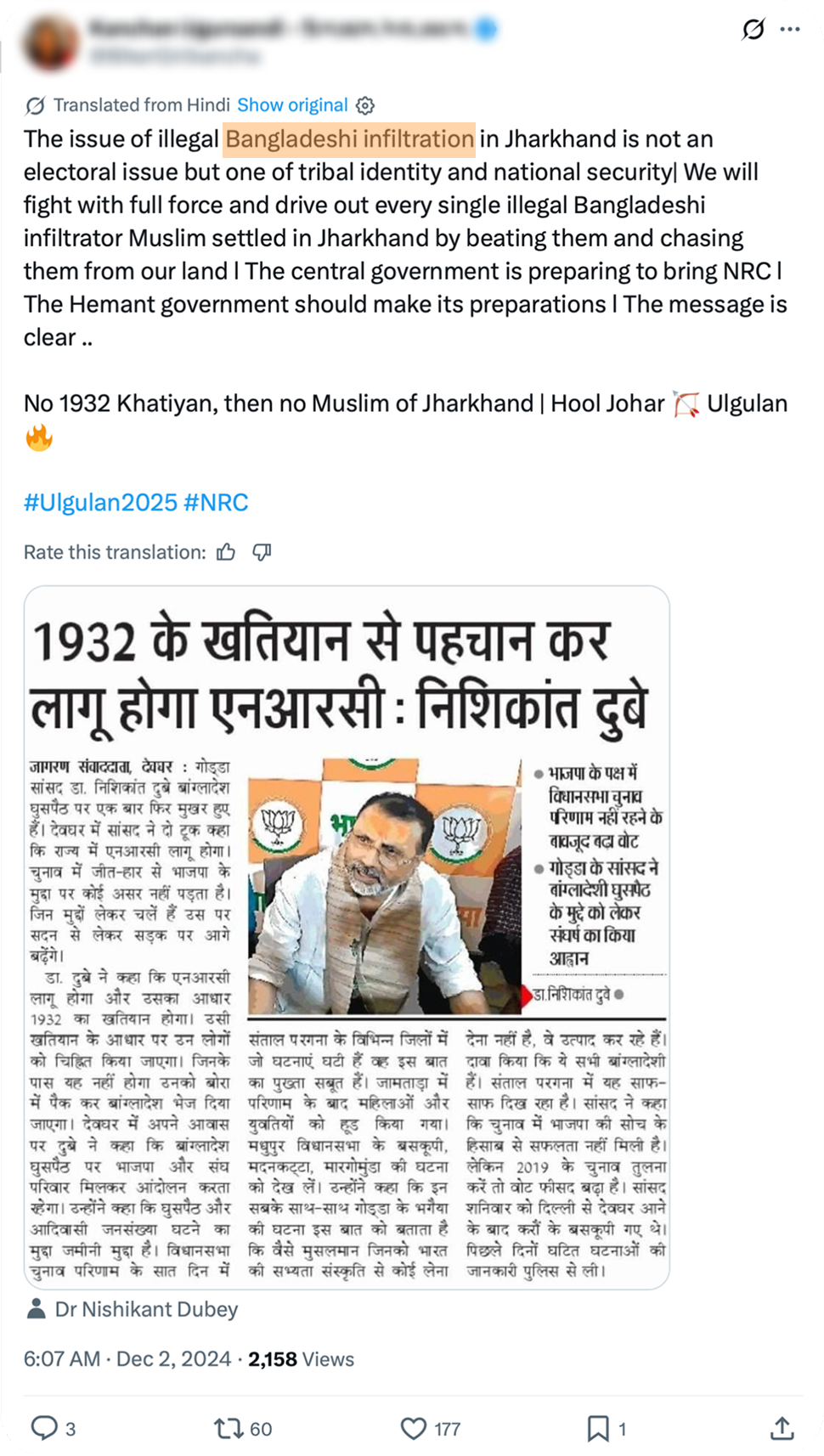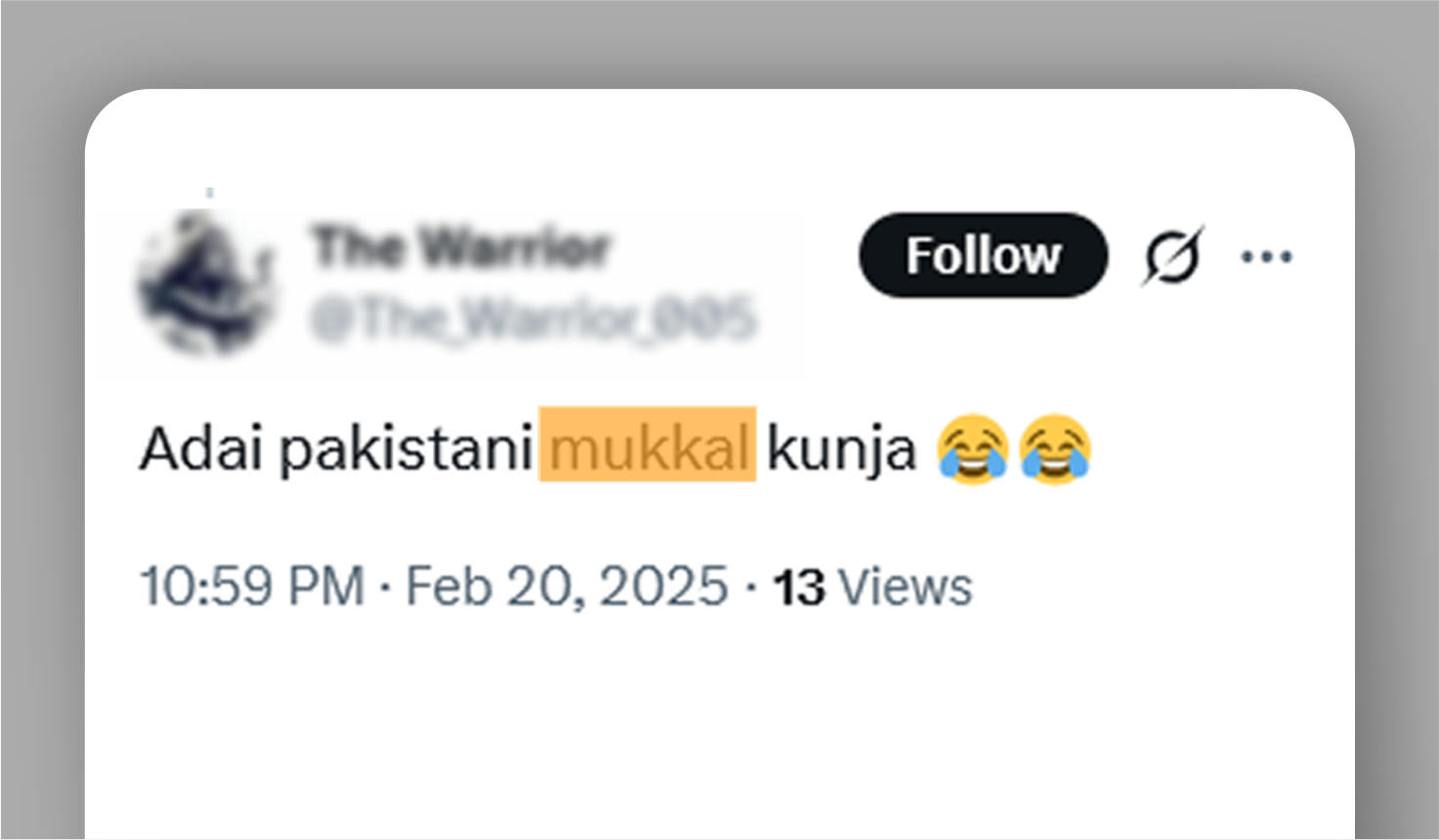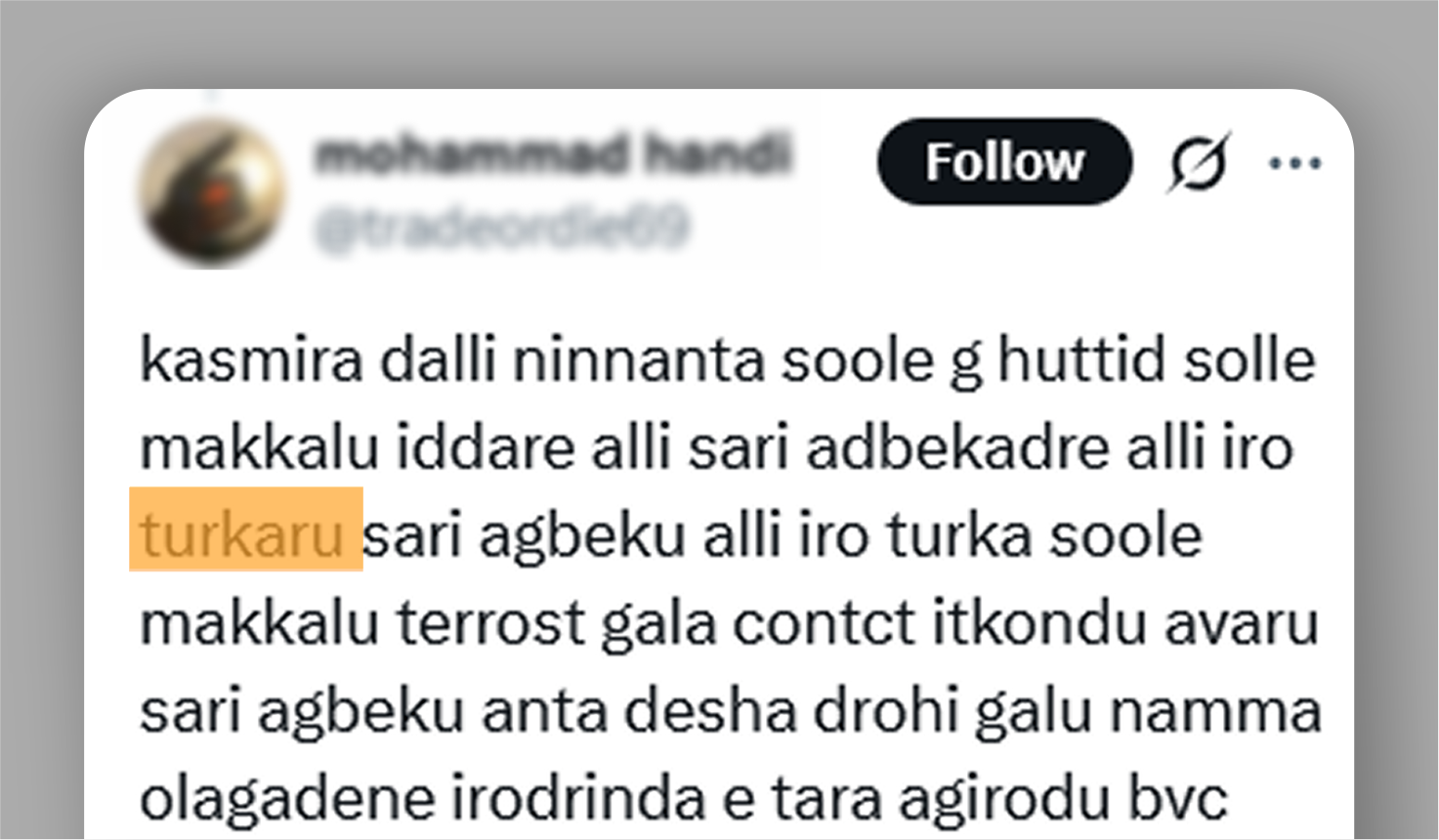
The term “Bangladeshi infiltrator” is a xenophobic trope used to describe Bengali-origin Muslims — including many who are Indian citizens — falsely accused of entering India illegally from Bangladesh. It draws on a broader conspiracy theory claiming that these communities are deliberately settling across Indian states to alter regional religious demographics and expand the Muslim population.
Background and Context
Migration between India and present-day Bangladesh has long been driven by shared cultural, economic, and geographic ties. Following the 1971 Bangladesh Liberation War, India witnessed a large influx of refugees. Over time, Bengali-speaking Muslims — both long-standing Indian citizens and more recent arrivals — came to be widely suspected of having entered the country illegally.
The label “Bangladeshi infiltrator” gained prominence during the Assam Movement (1979–1985) and has re-emerged in recent years as Hindu nationalist groups have sought to conflate Muslim identity with criminality, demographic threat, and national security risk. This narrative stigmatizes Indian Muslims of Bengali origin, many with deep, multi-generational roots in India, by portraying them as foreigners and outsiders in their own country.
Impact and Harm
Labeling Indian Muslims of Bengali origin as infiltrators delegitimizes their citizenship and brands them as outsiders in their own country. This narrative has led to disenfranchisement through removal from voter rolls, arbitrary detentions under the National Register of Citizens (NRC) process, and widespread violence, including mob attacks, demolition of homes, forced evictions, and police crackdowns.
Variants and Alternative Forms
बांग्लादेशी घुसपैठ बांग्लादेशी घुसपैठिए
Online Usage