Technology Reporter
Thomson Reuters
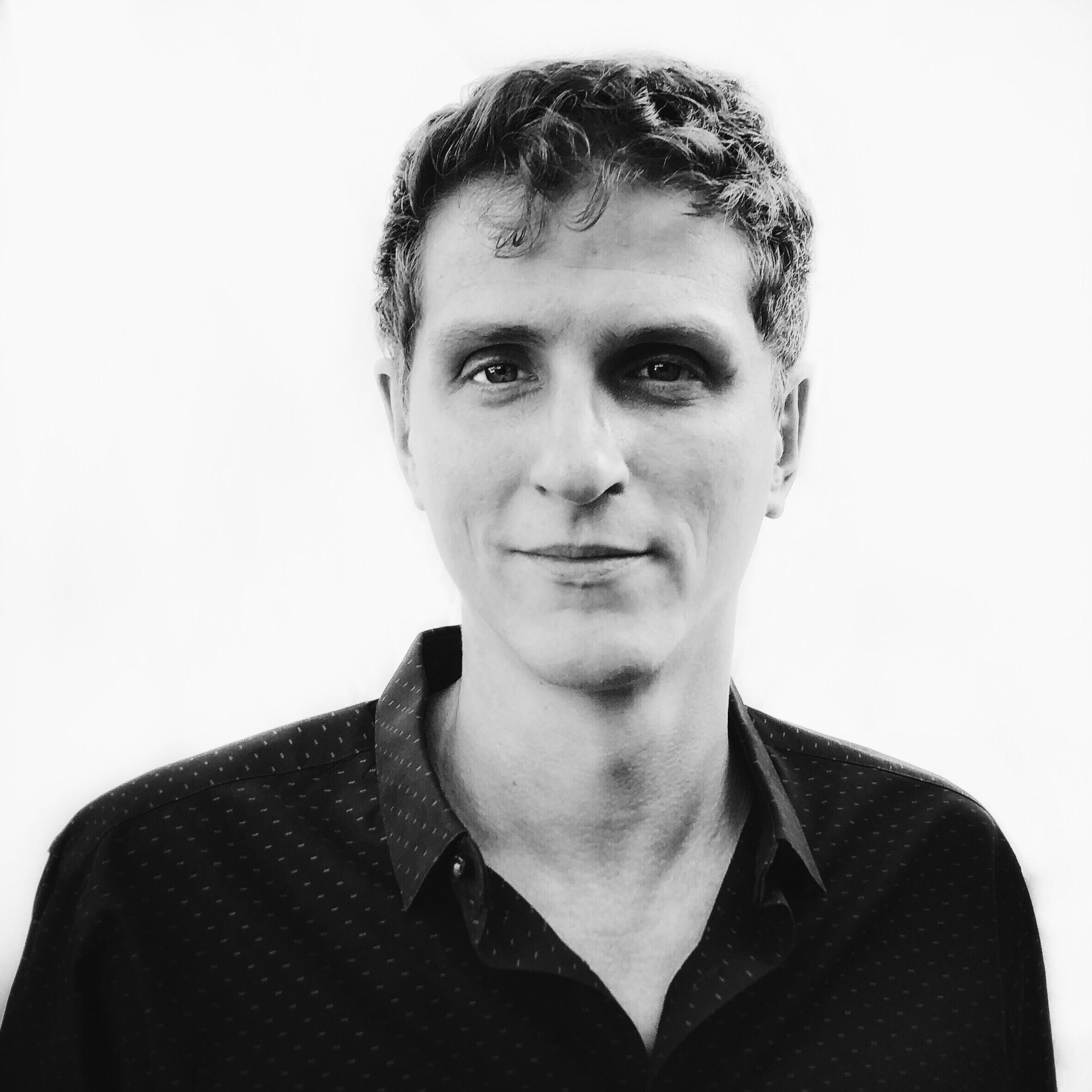
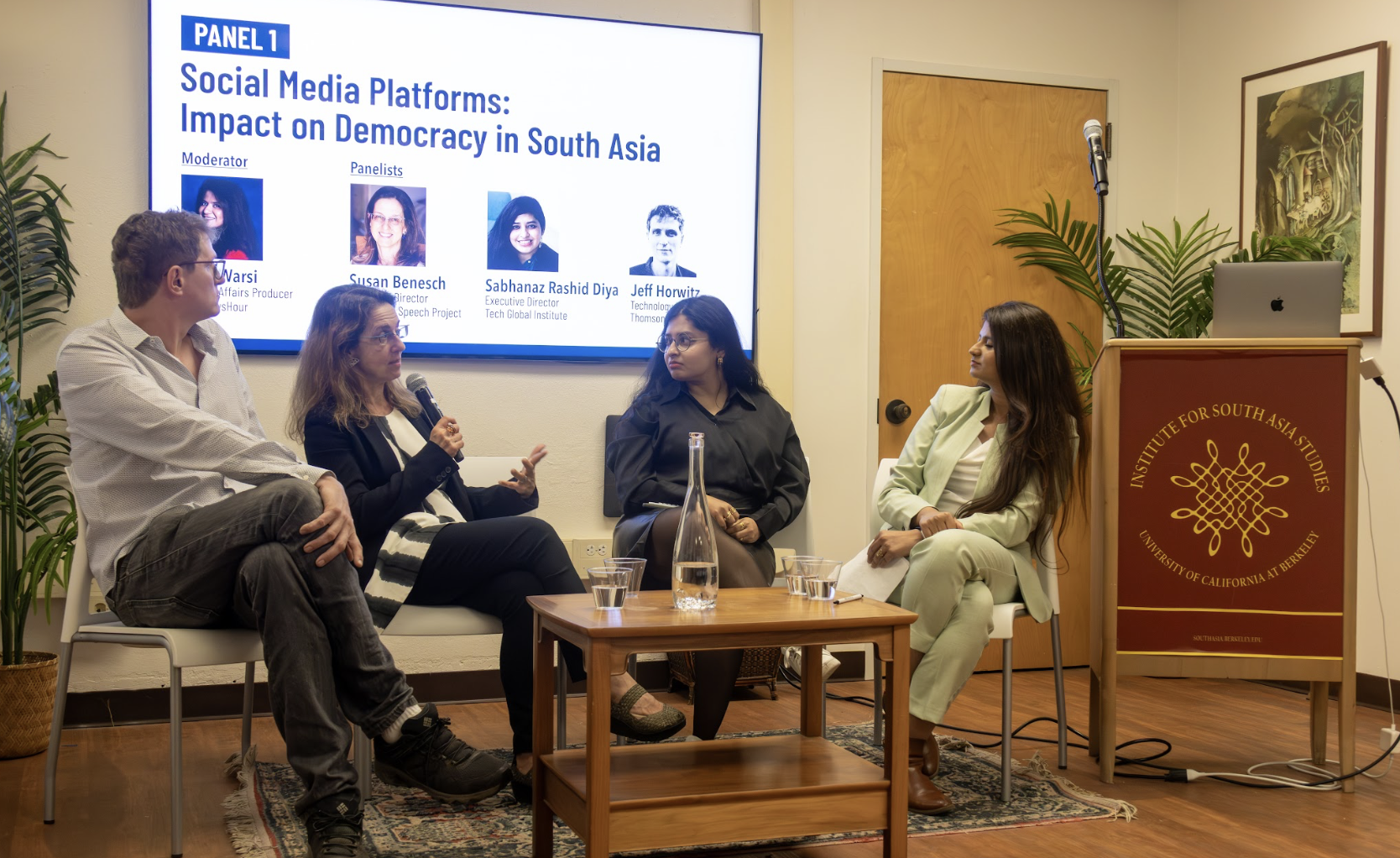
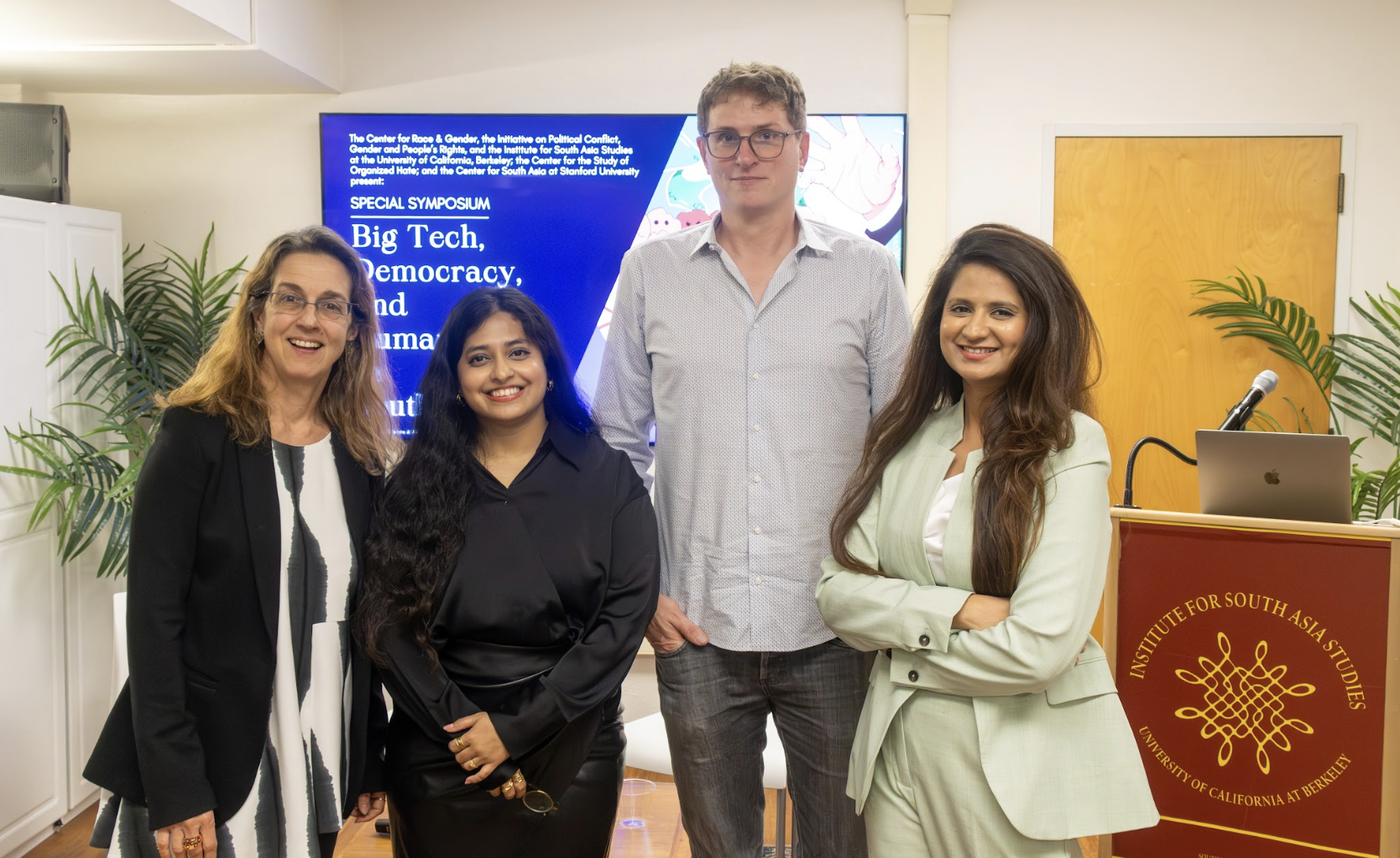
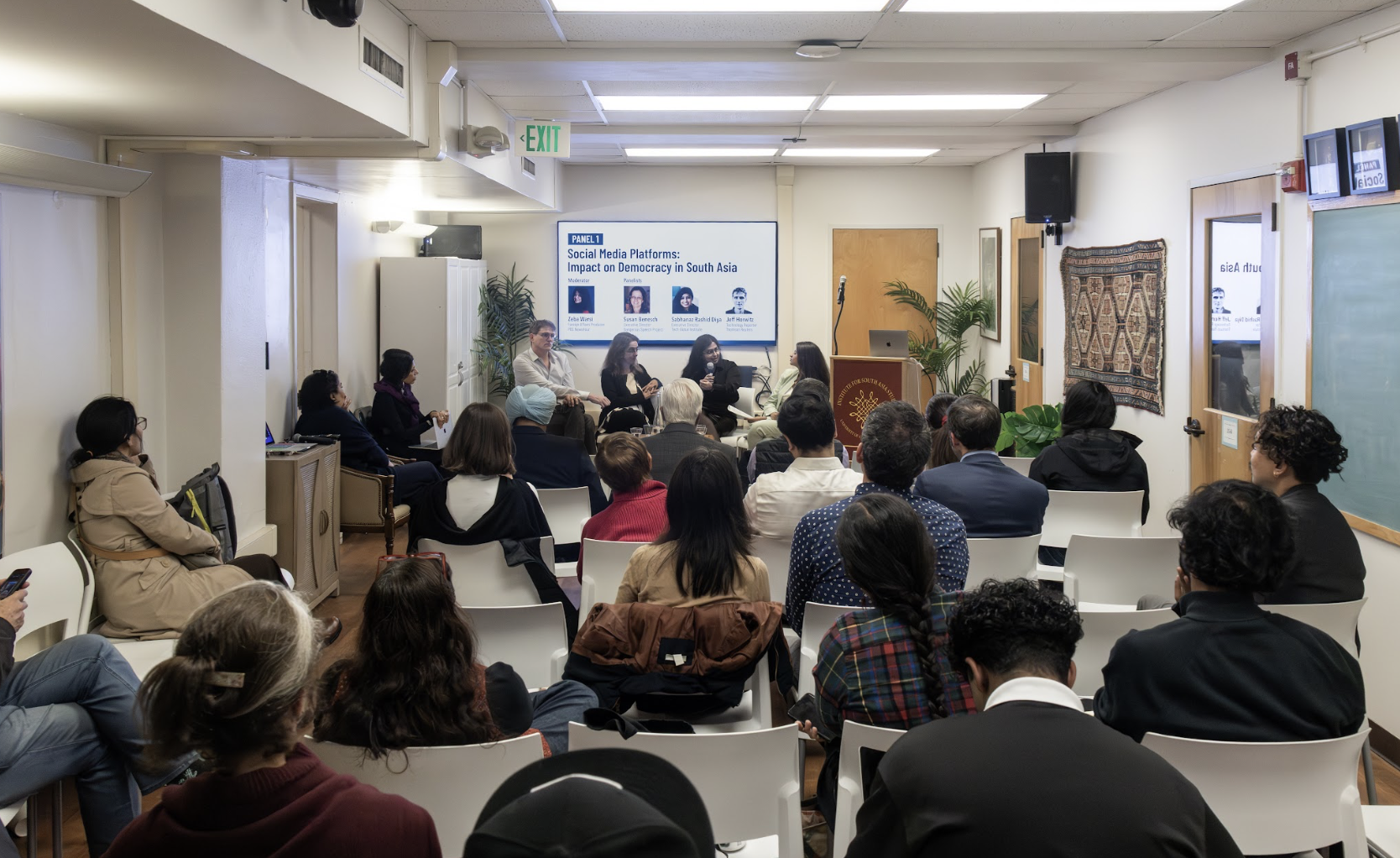
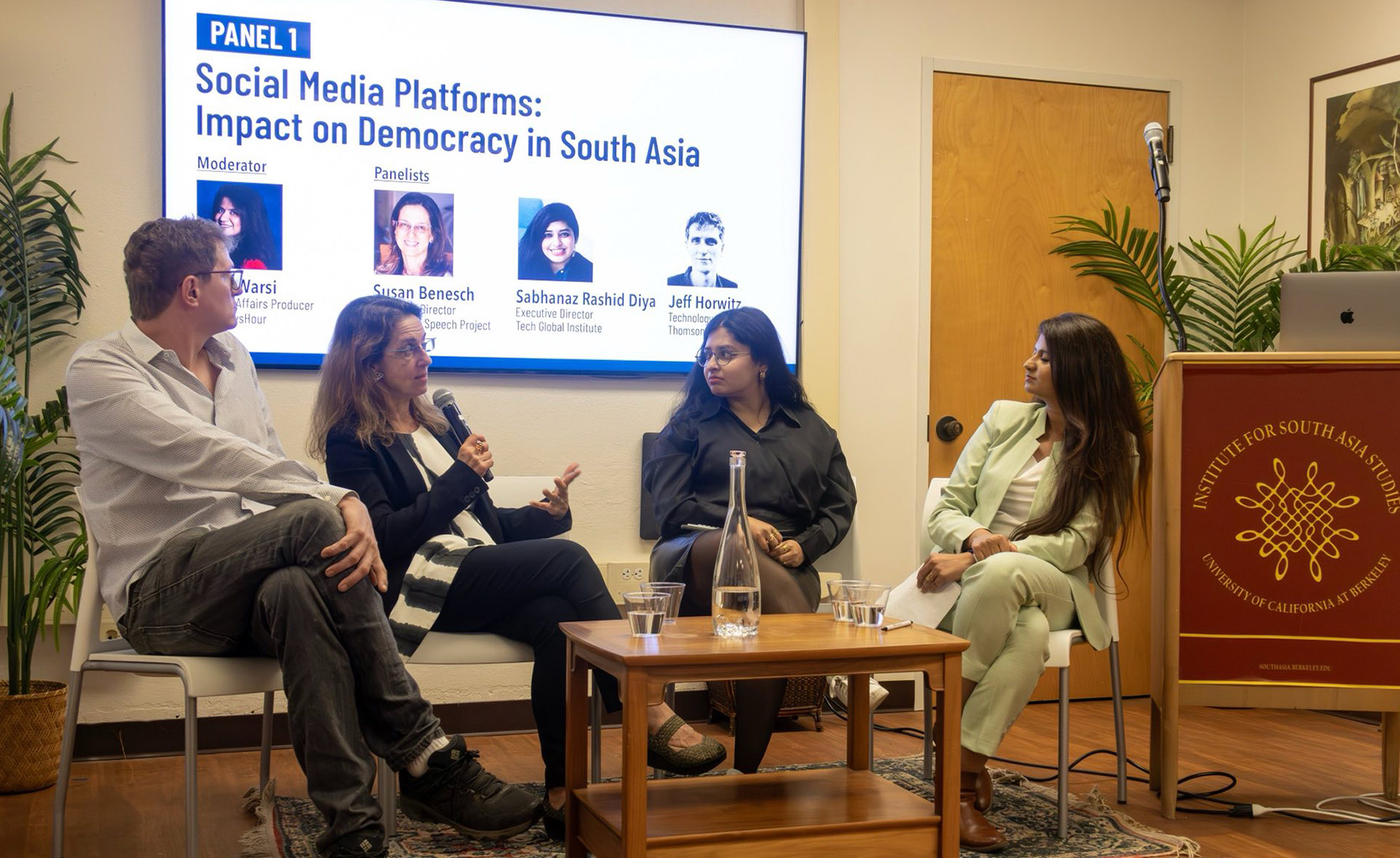
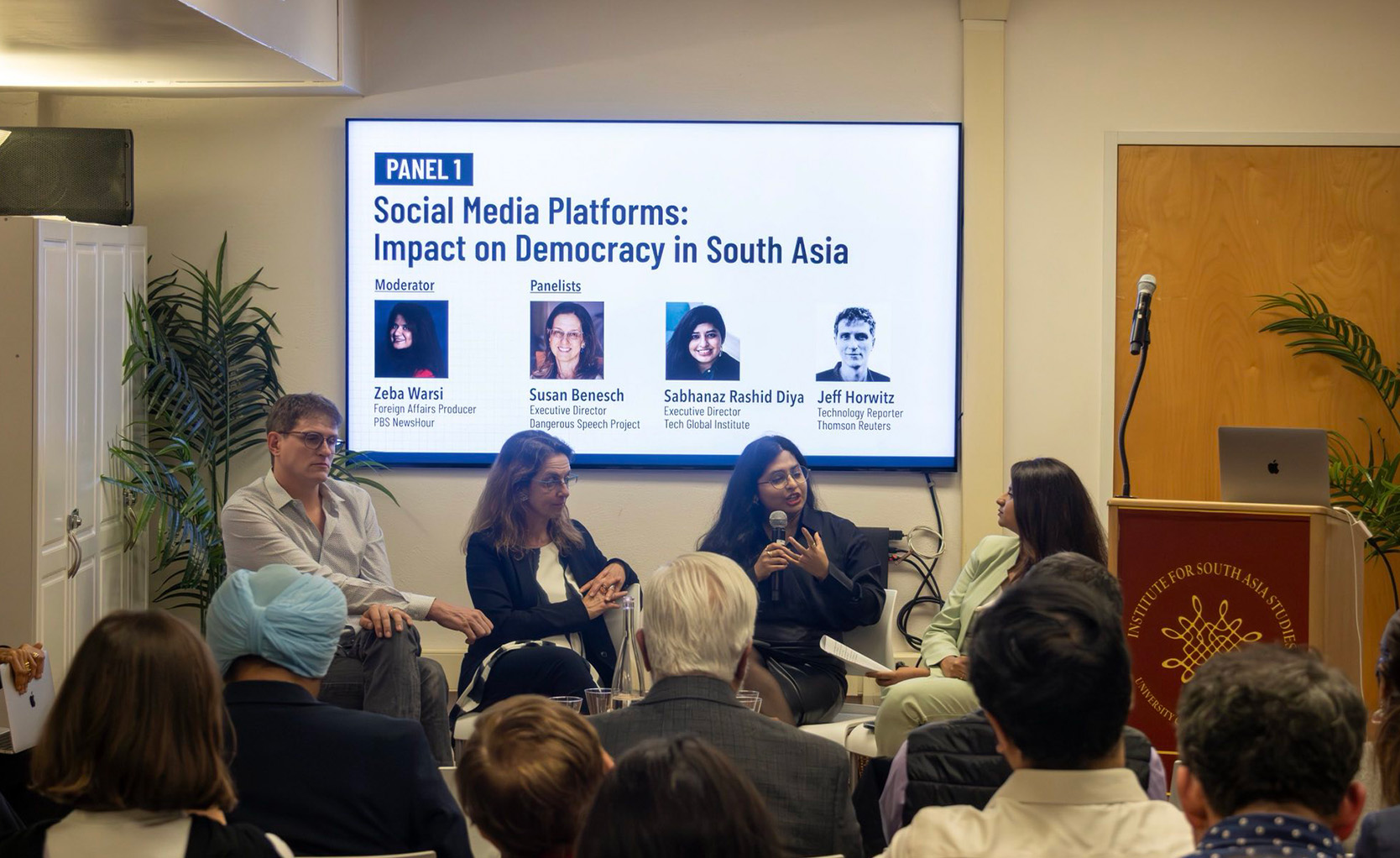
Jeff Horwitz is an investigative technology reporter for Thomson Reuters in San Francisco, and a former reporter for the Wall Street Journal, Associated Press, American Banker, Legal Times, The San Bernardino Sun and The Washington City Paper. He was a Knight Bagehot fellow at Columbia University, and has won Loeb and Polk awards, as well as the Christopher J Welles Memorial Prize and the New York Press Club's Gold Keyboard.

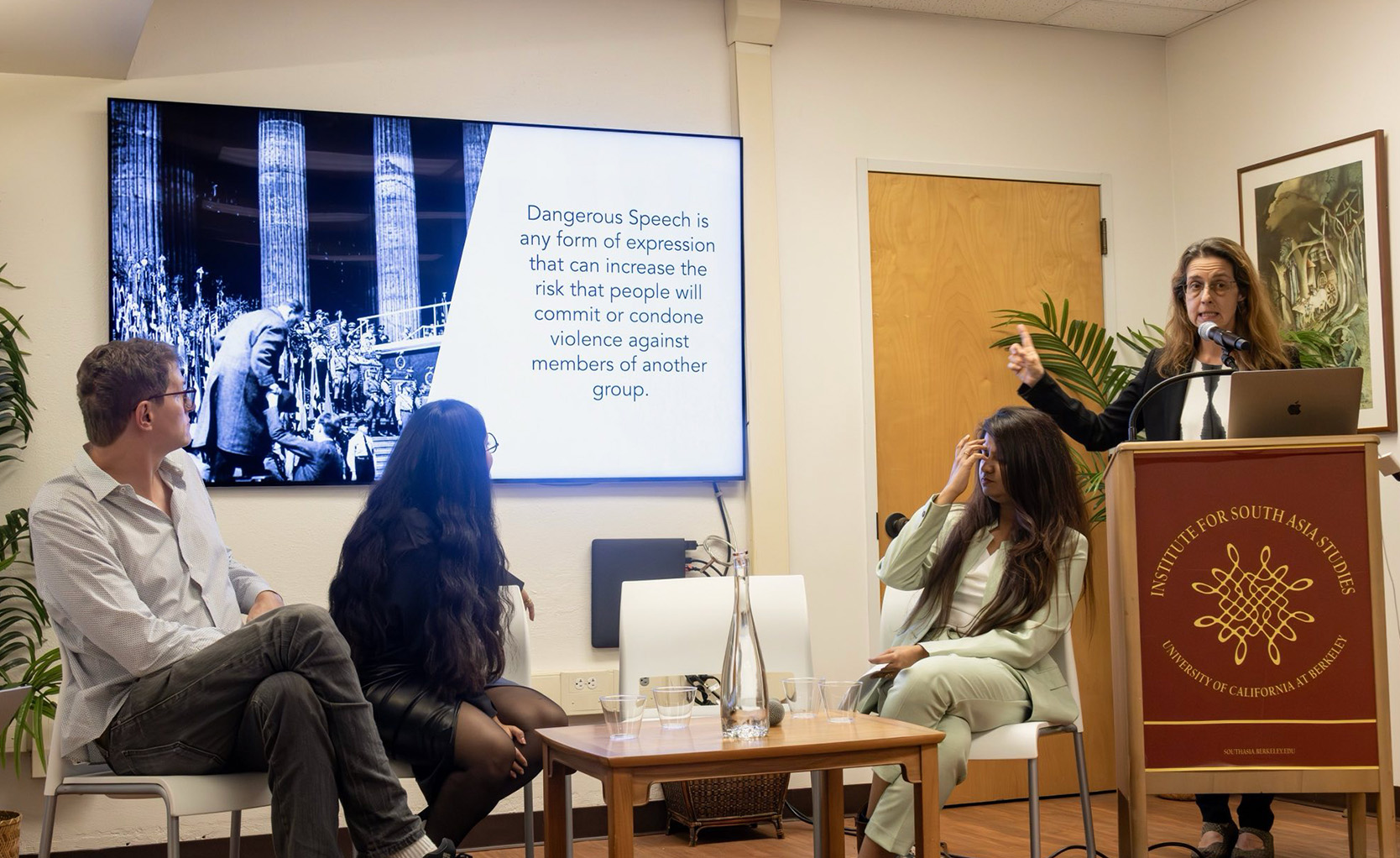
Executive Director, Dangerous Speech Project, Adjunct Professor at American University, and Faculty Associate with the Berkman Klein Center for Internet & Society at Harvard University
Benesch founded and directs the Dangerous Speech Project, to study rhetoric that can inspire violence and locate ways to prevent this without infringing on freedom of expression. Her research focuses on methods to diminish harmful speech online and the harm itself. She advises technology companies to improve content moderation and user behavior. Trained as an international human rights lawyer at Yale, Benesch has worked as a refugee lawyer and advocate and published widely.

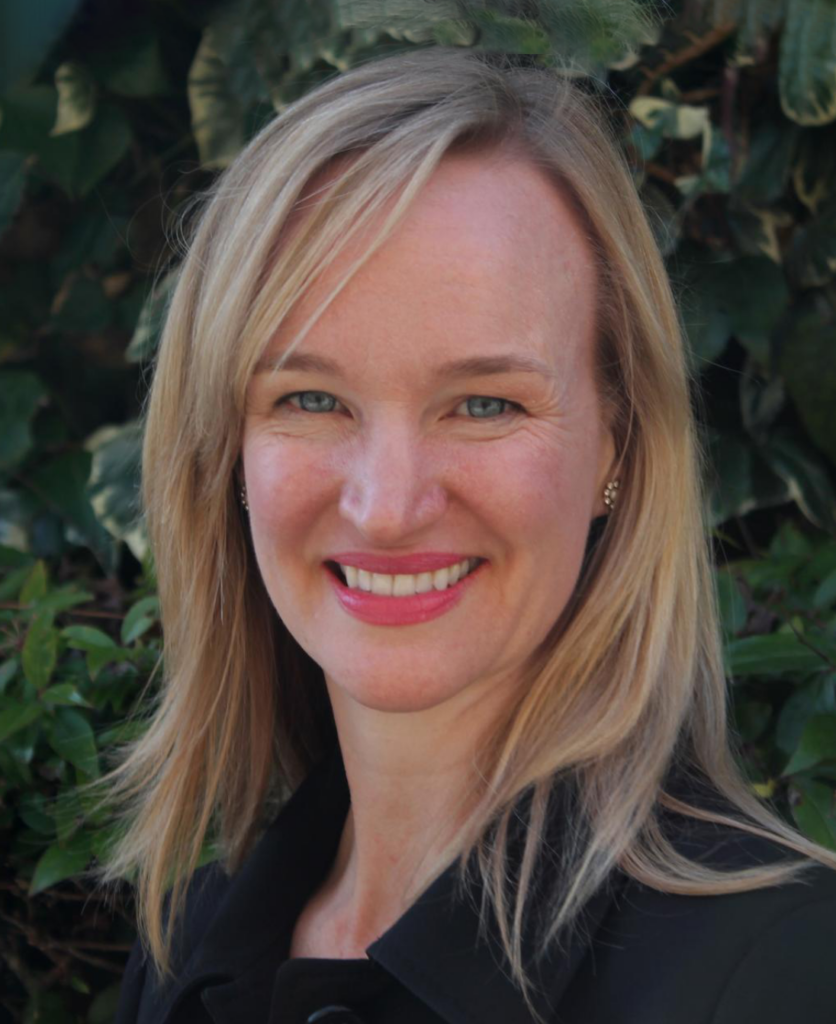
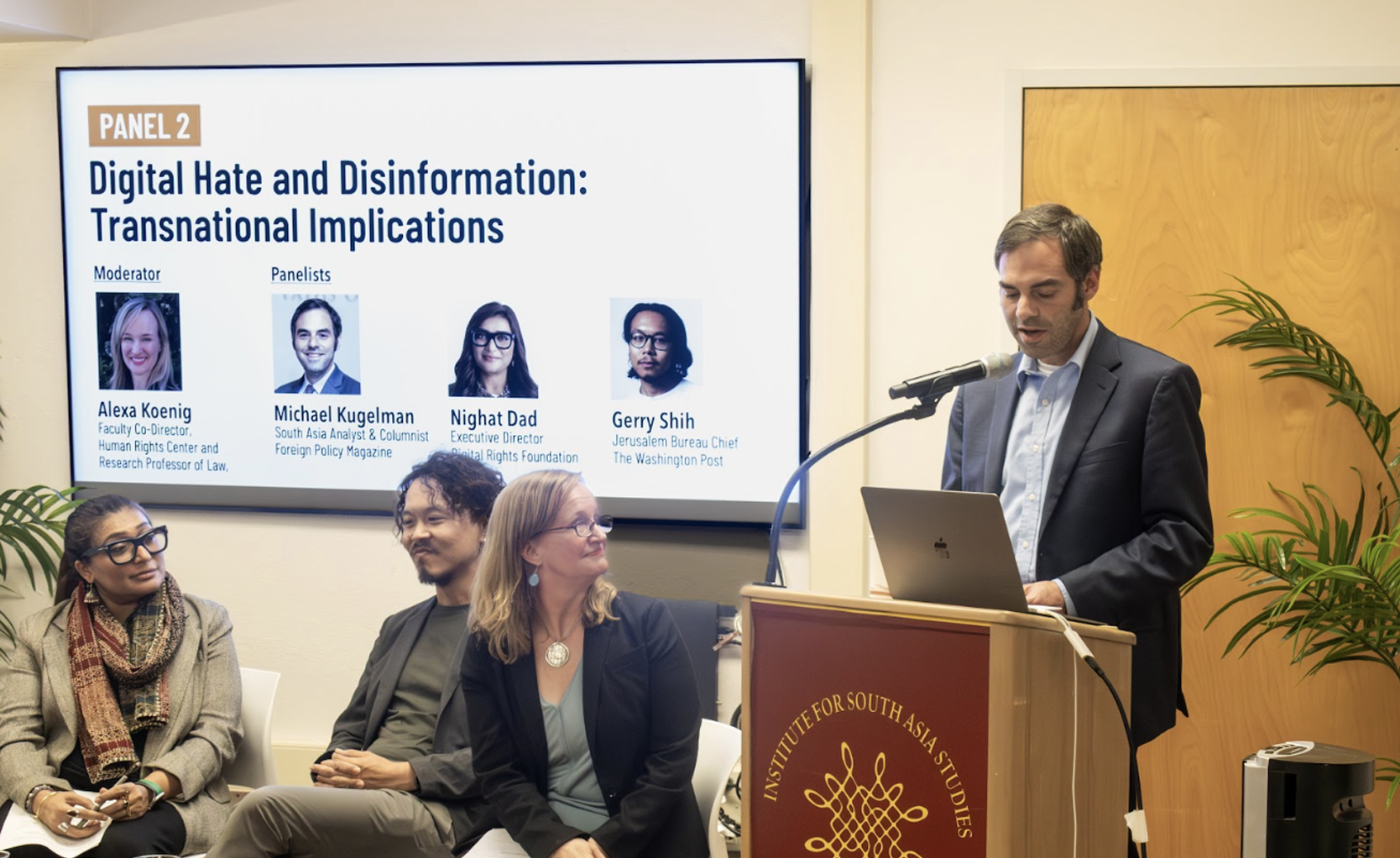
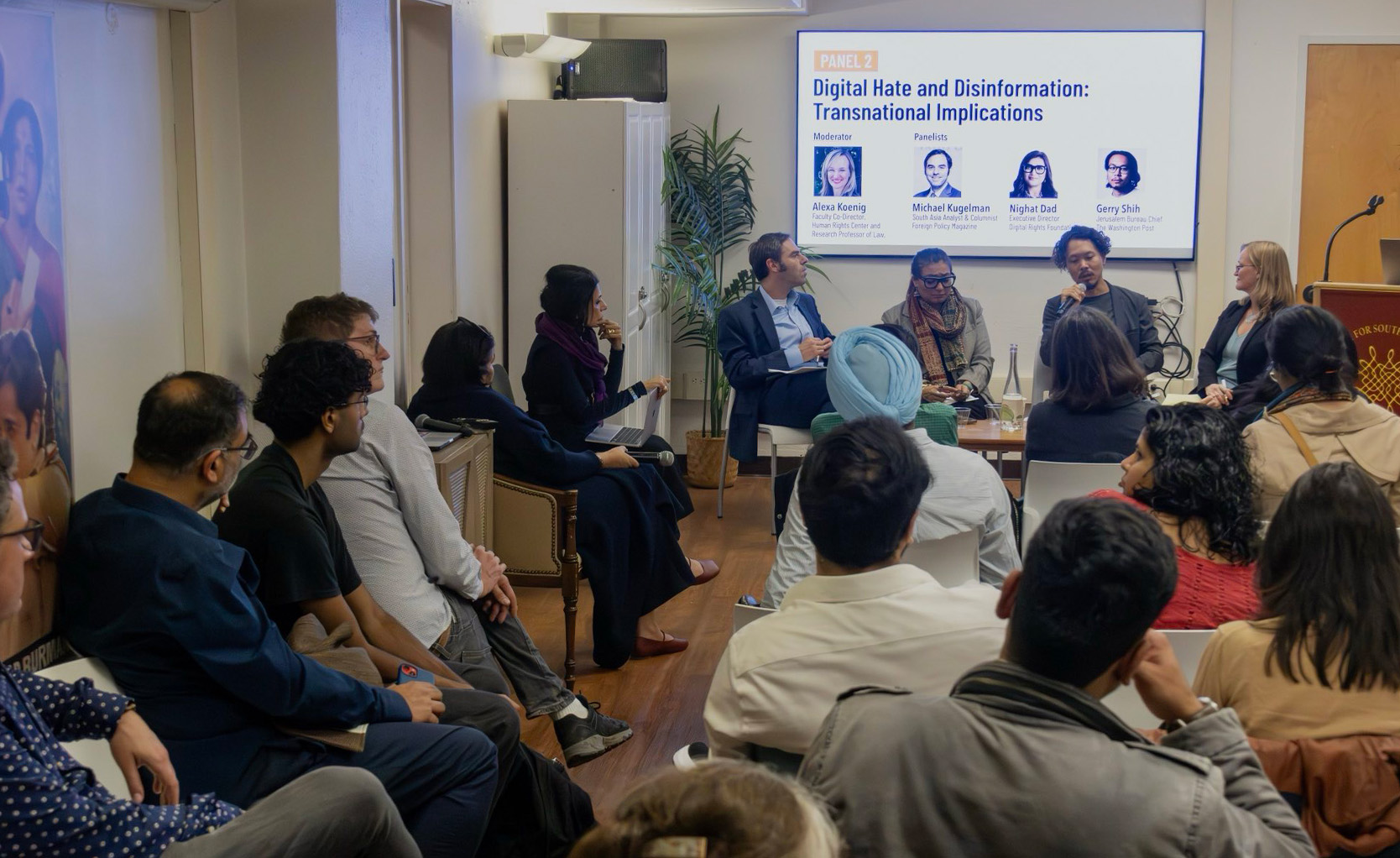
Research Professor of Law, Co-Faculty Director, Human Rights Center, UC Berkeley School of Law
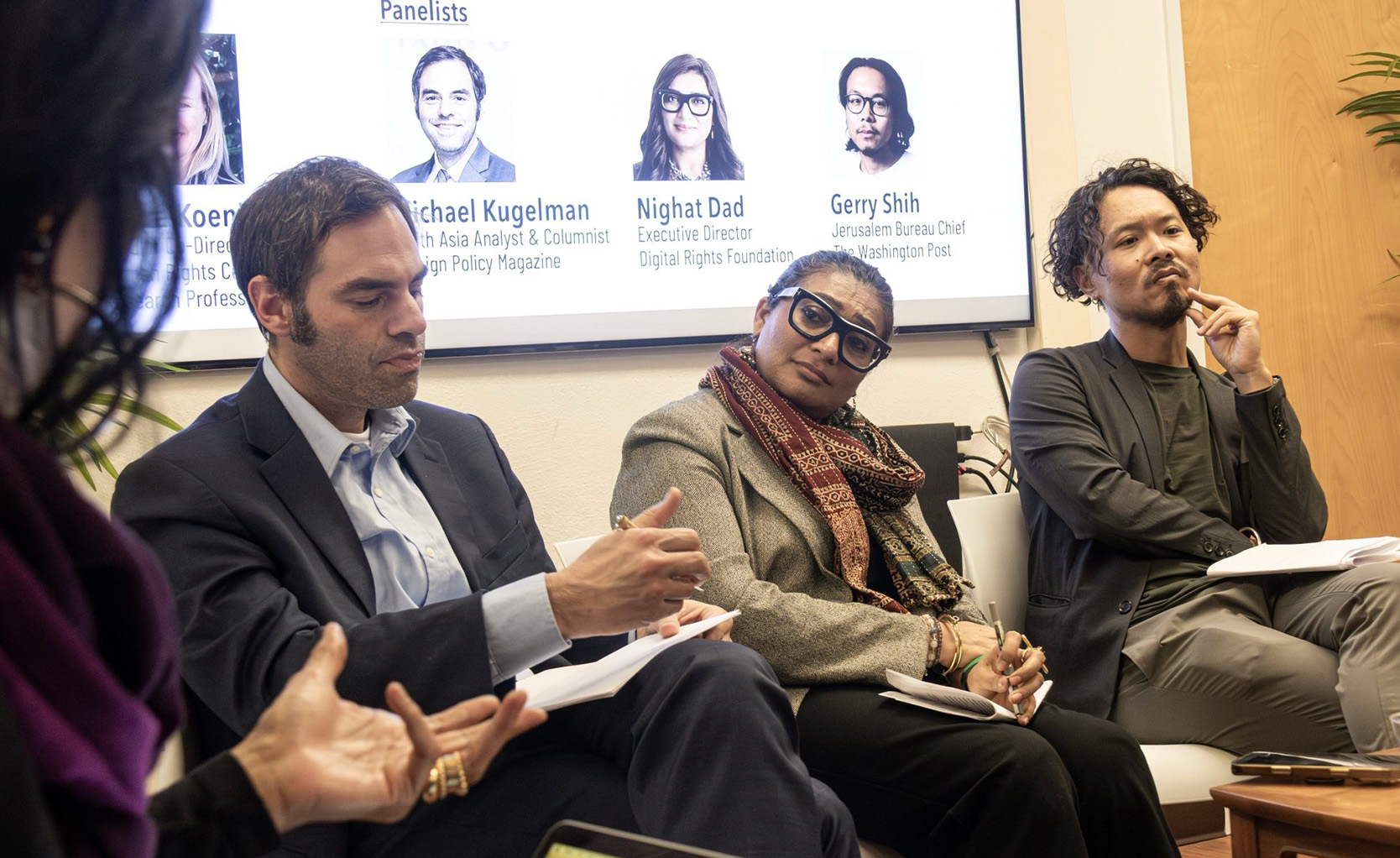
Koenig is Co-Faculty Director of the Human Rights Center (HRC) (winner of the 2015 MacArthur Award for Creative and Effective Institutions), Director of HRC’s Investigations Program, and an adjunct professor at UC Berkeley School of Law, where she teaches classes that focus on the intersection of emerging technologies and human rights. She also co-teaches a class on open source investigative reporting at Berkeley Journalism. Koenig co-founded the Human Rights Center Investigations Lab, which trains students and professionals to use social media and other digital open source content to strengthen human rights research, reporting, and accountability.
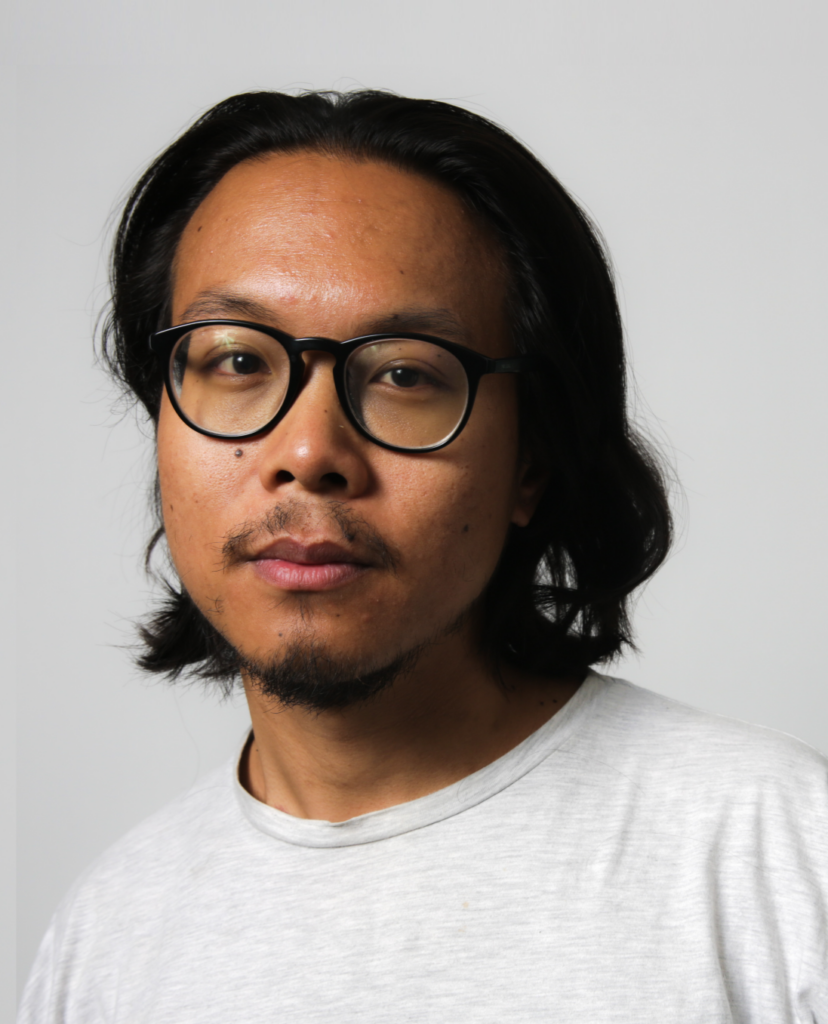
Jerusalem Bureau Chief
The Washington Post
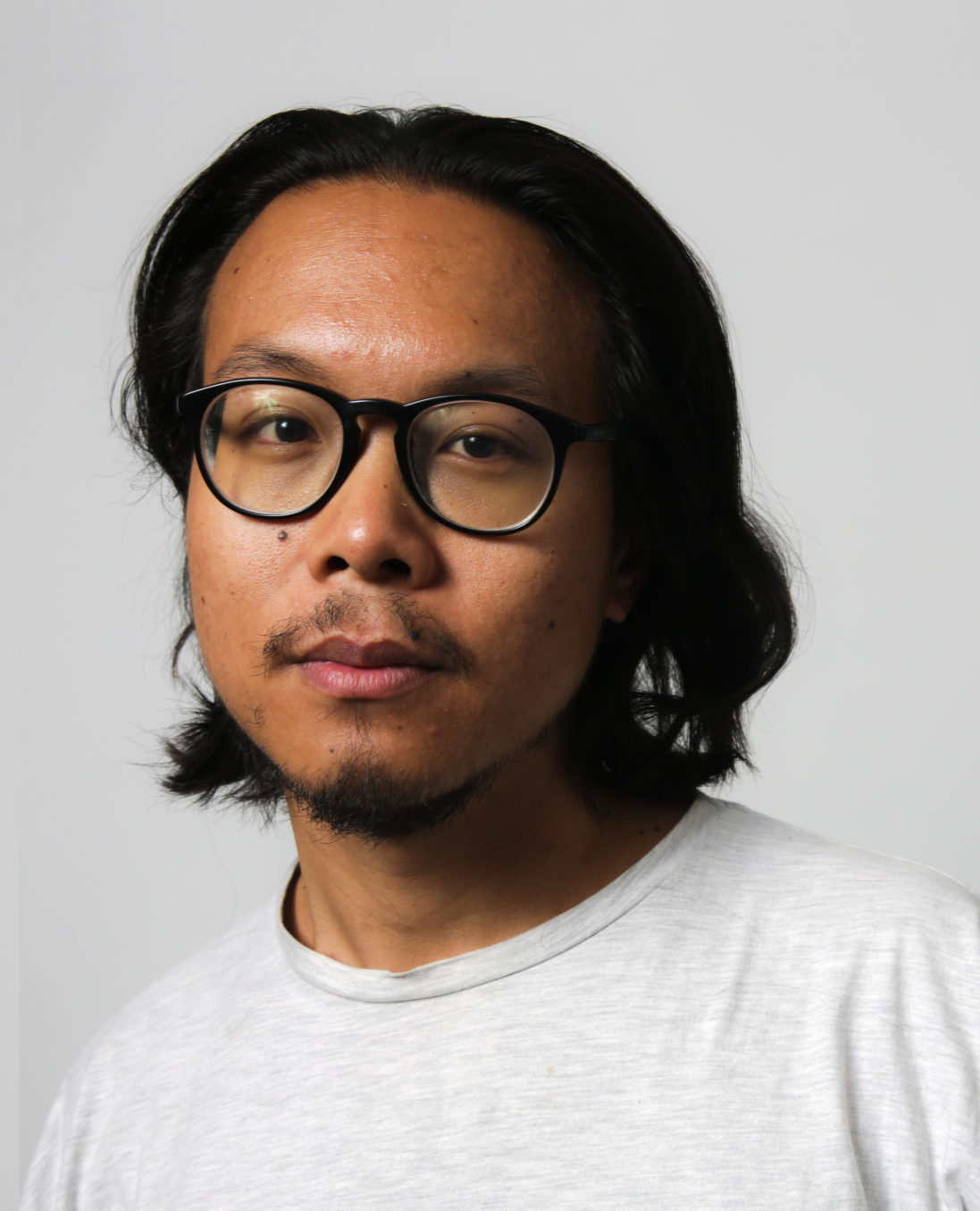
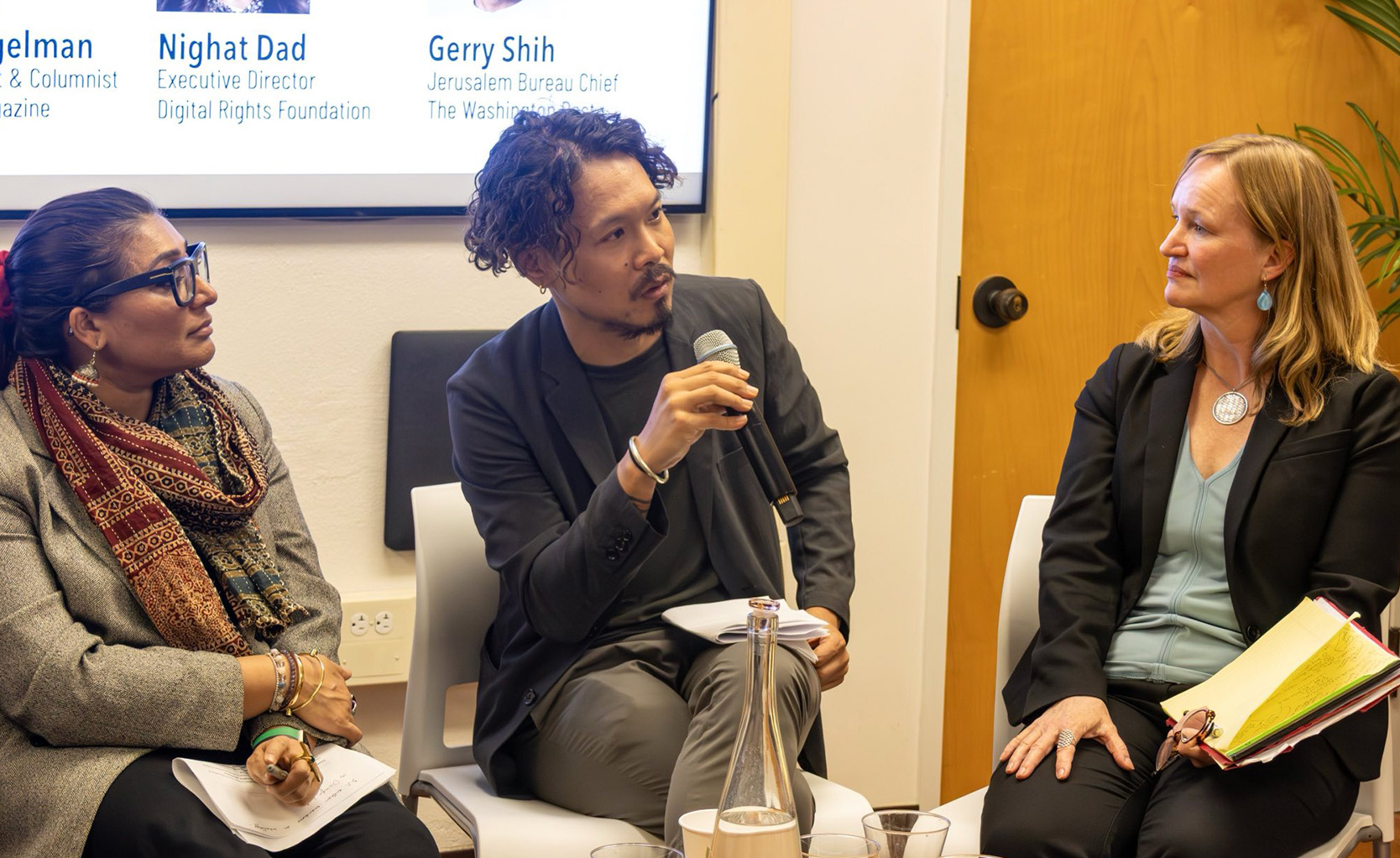
Shih covers Israel, the Palestinian territories and the greater Middle East for The Post. He joined the paper in 2018, and served as the New Delhi Bureau Chief at The Post during 2021-2025, reporting on politics, foreign policy, intelligence and technology in India and other South Asian countries, prior to which, he covered China. Previously, Shih reported for the Associated Press, Reuters and The New York Times. Shih was a finalist for the Pulitzer Prize for International Reporting in 2024, for his work on India, and the recipient of the 2023 South Asian Journalists Association Daniel Pearl Award and the 2020 Osborn Elliott Prize.

Executive Director
Digital Rights Foundation
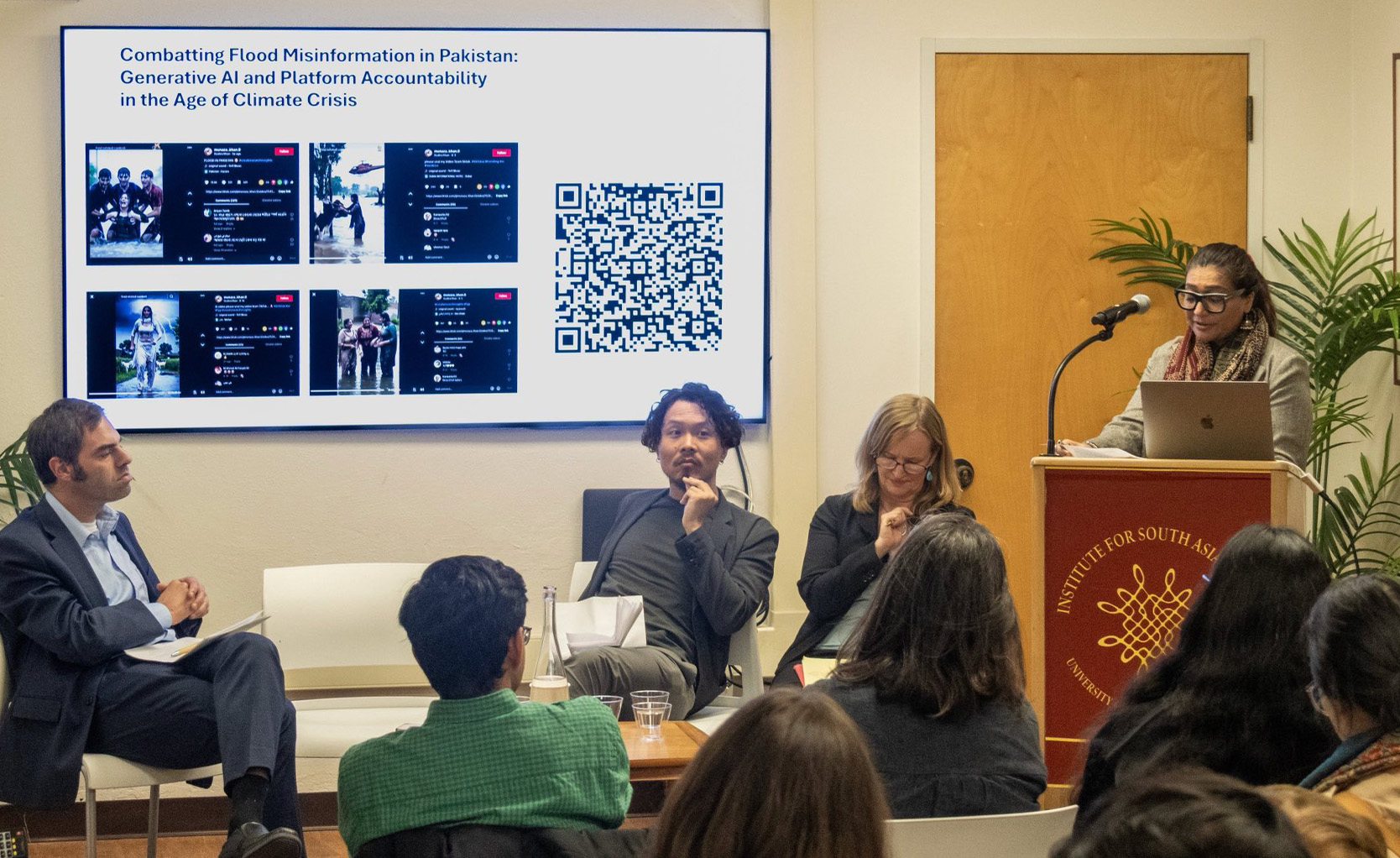
Dad is a lawyer from Pakistan and a digital policy expert. She serves on the UN Secretary-General’s High-Level Advisory Body on AI, the Meta Oversight Board, and the World Economic Forum’s Global Future Council on Data Frontiers. Her work spans global tech governance, regulation and policy processes, including the UN Global Digital Compact. She has advised companies like Microsoft and Meta, as well as governments in the UK, EU, and US. Recognized for advancing online freedom, women’s rights and accountability, she was named a Next Generation Leader by TIME in 2015.
Executive Director
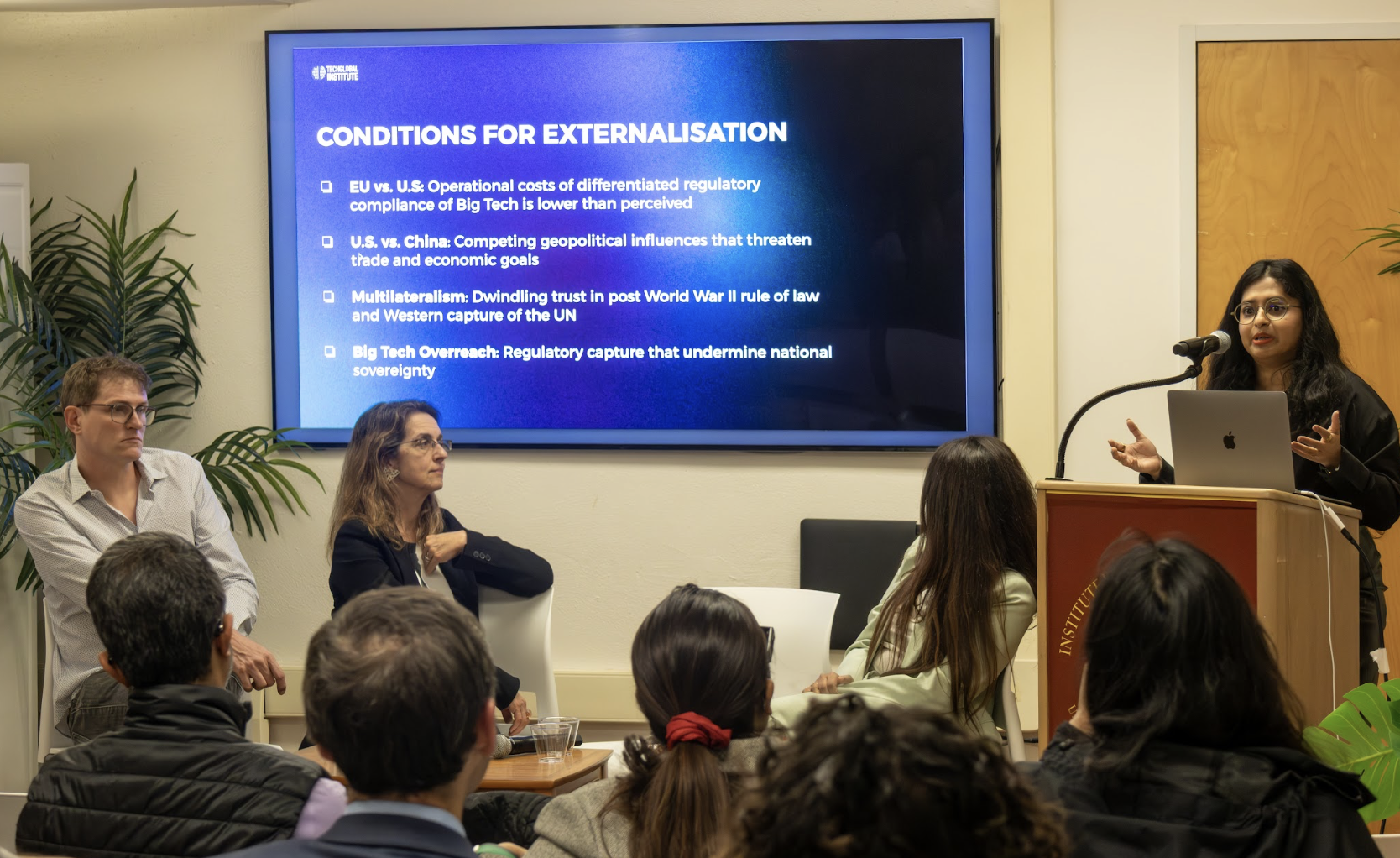
Tech Global Institute
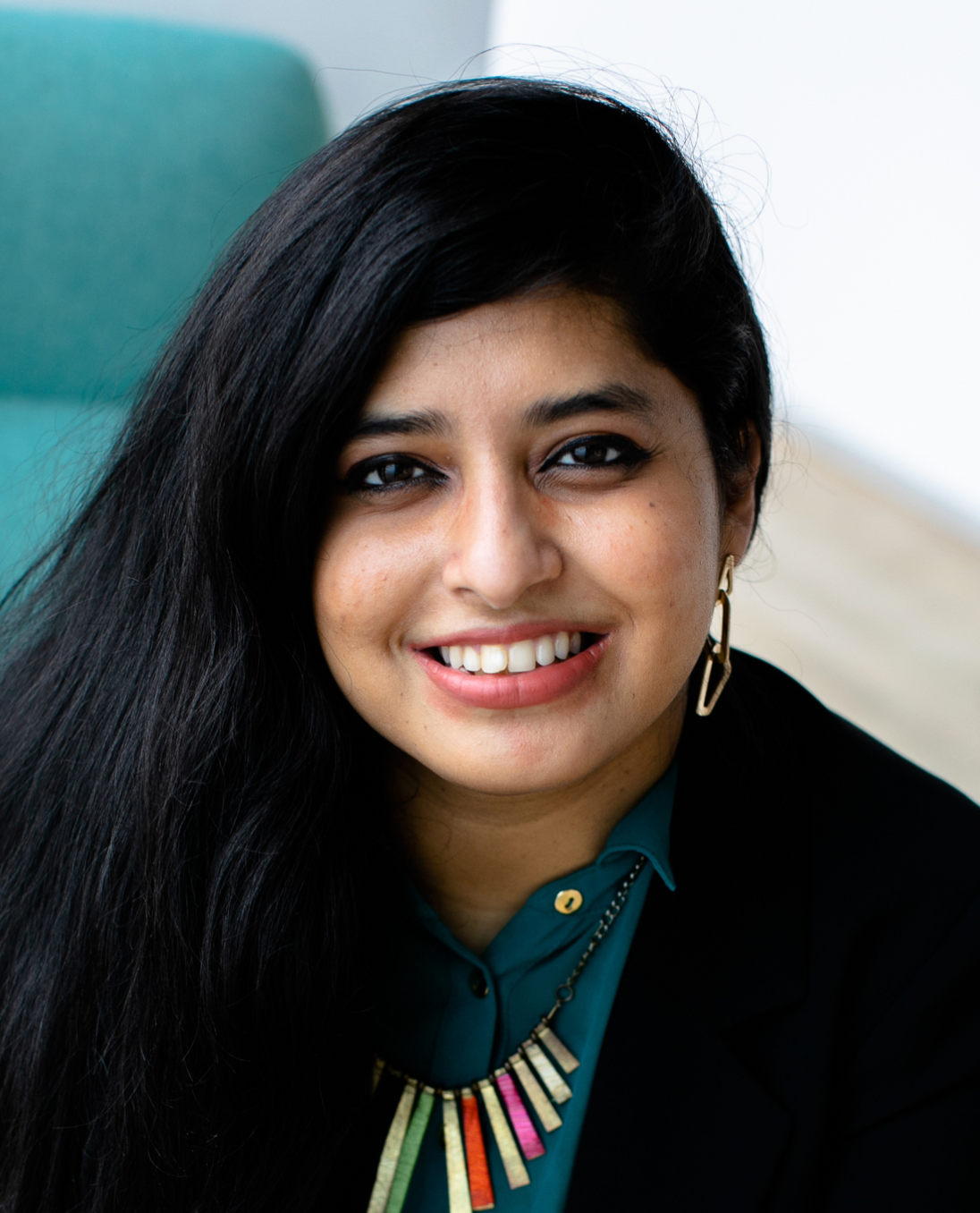
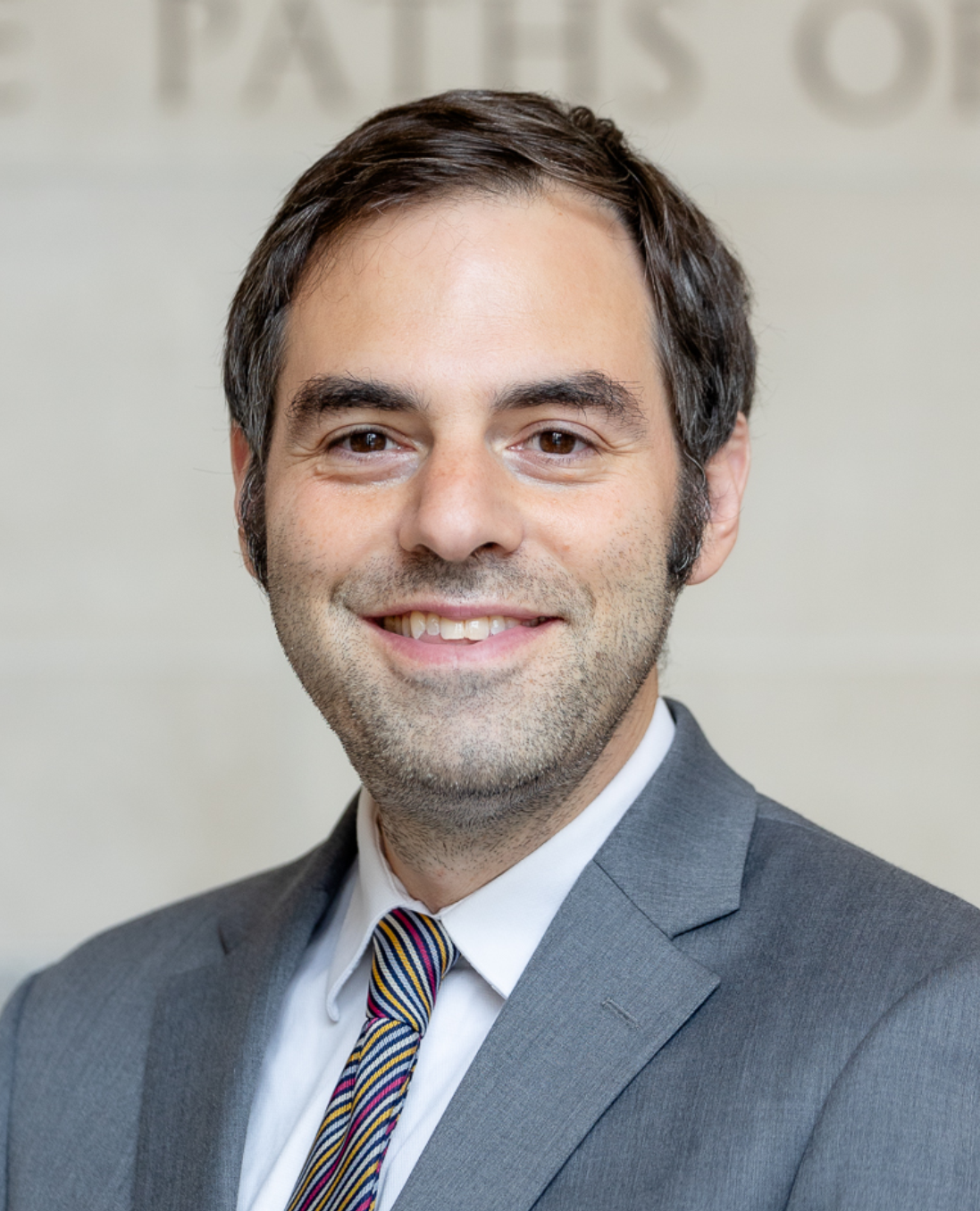
Diya is the founding executive director of Tech Global Institute, a policy nonprofit focused on advancing equity and accountability of technologies in the Global Majority. She has advised governments in twenty countries and lead briefings with the White House, the U.S. Department of State and Office of the U.S. Trade Representative, multilateral international organizations such the World Bank and the UN, bilateral donors, and a variety of global startups and corporations, on policy and law relating to global Internet and platform governance, Responsible AI and human rights.
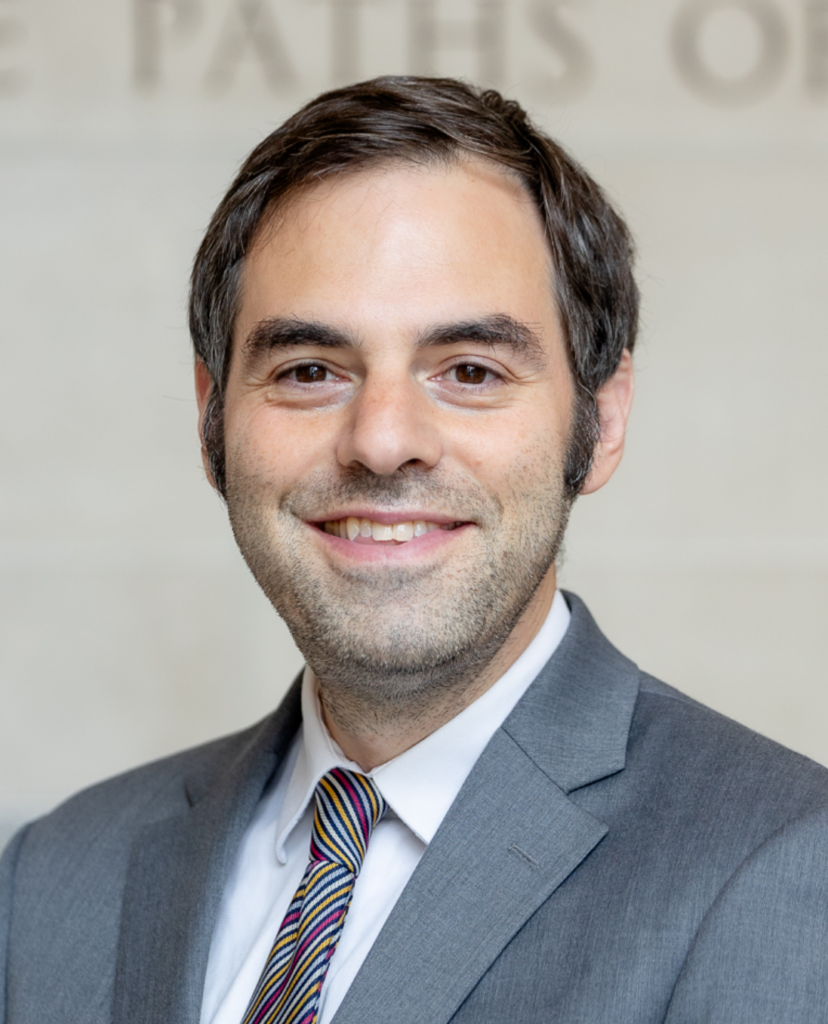
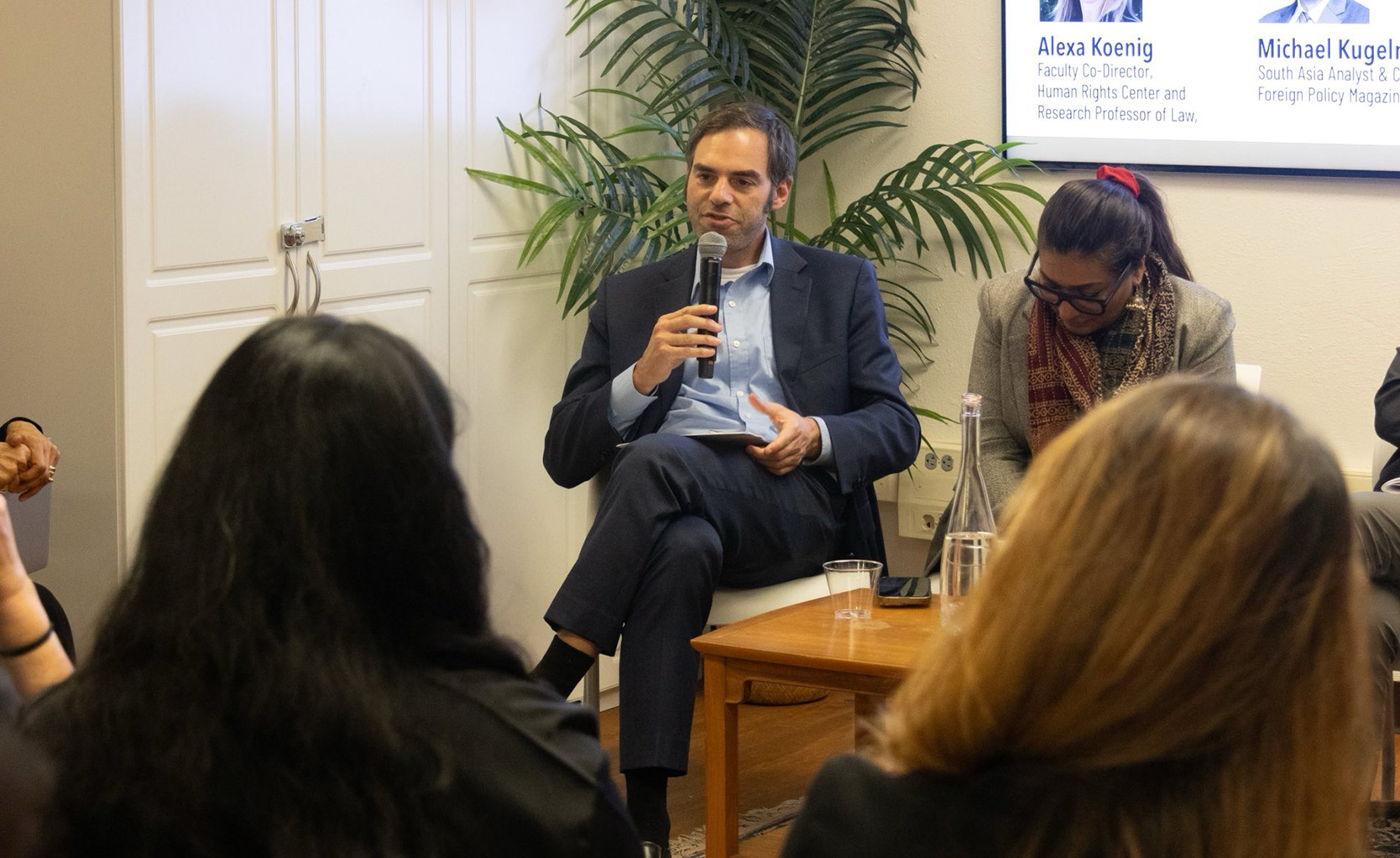
South Asia Analyst & Columnist
Foreign Policy Magazine
Kugelman has served as a Washington DC-based analyst of South Asia for nearly two decades. He is currently a columnist for Foreign Policy magazine and writes its South Asia Brief, a weekly newsletter of news and analysis from the region. He is also a nonresident senior fellow at the Asia Pacific Foundation of Canada, where he contributes to the Foundation's work on India and Bangladesh. Formerly, he served as the Director of the South Asia Institute at the Wilson Center.

Foreign Affairs Producer
PBS NewsHour
Warsi is a foreign affairs producer with PBS NewsHour. She focuses her work on human-centric stories and long-form special projects. Prior to the NewsHour, Warsi was a political correspondent with CNN's India affiliate based in New Delhi, covering far-right extremism, religious violence and social movements for nearly a decade. Twice nominated for an Emmy, Warsi was a leading member of the NewsHour team that received the 2024 Peabody award for coverage of the war in Gaza and Israel, and served on the jury for the 2025 Emmy Awards.
Founding Chair, Initiative on Political Conflict, Gender and People’s Rights at the Center for Race and Gender, and Research Anthropologist, UC Berkeley
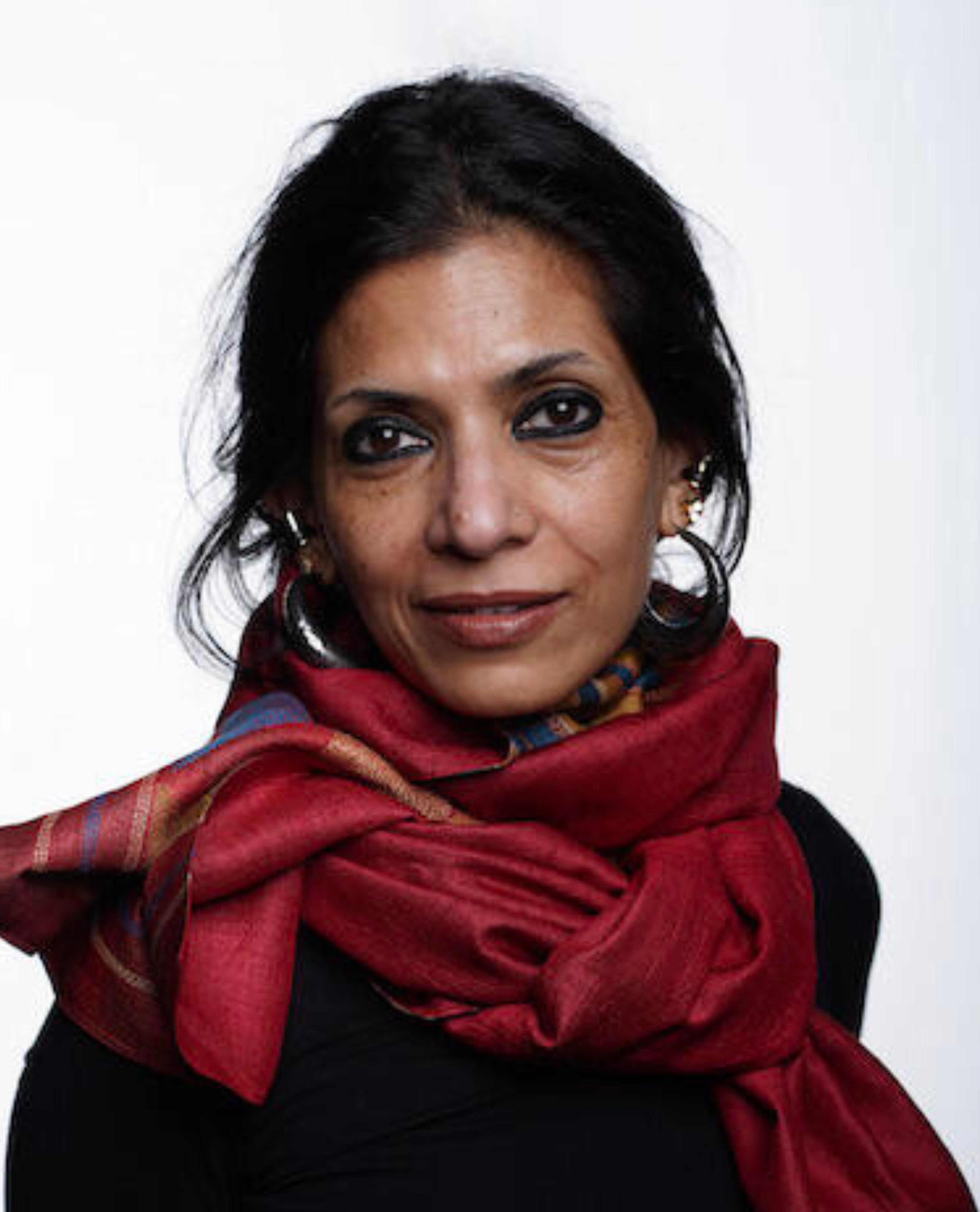
A cultural anthropologist and interdisciplinary scholar of South Asia, she is also a Research Fellow at the Center for Human Rights and International Justice, Stanford University, and a Global Fellow at the Center for Law and Transformation, University of Bergen. Chatterji has offered expert testimony to the United Nations, European Parliament, and United States Congress and has been variously honored for her work. Publications include Majoritarian State: How Hindu Nationalism is Changing India; Conflicted Democracies and Gendered Violence: The Right to Heal; and Kashmir: The Case for Freedom.
Director, Center for Race and Gender, UC Berkeley, and Robert D. and Leslie Kay Raven Professor of Law in Access to Justice, UC Berkeley School of Law
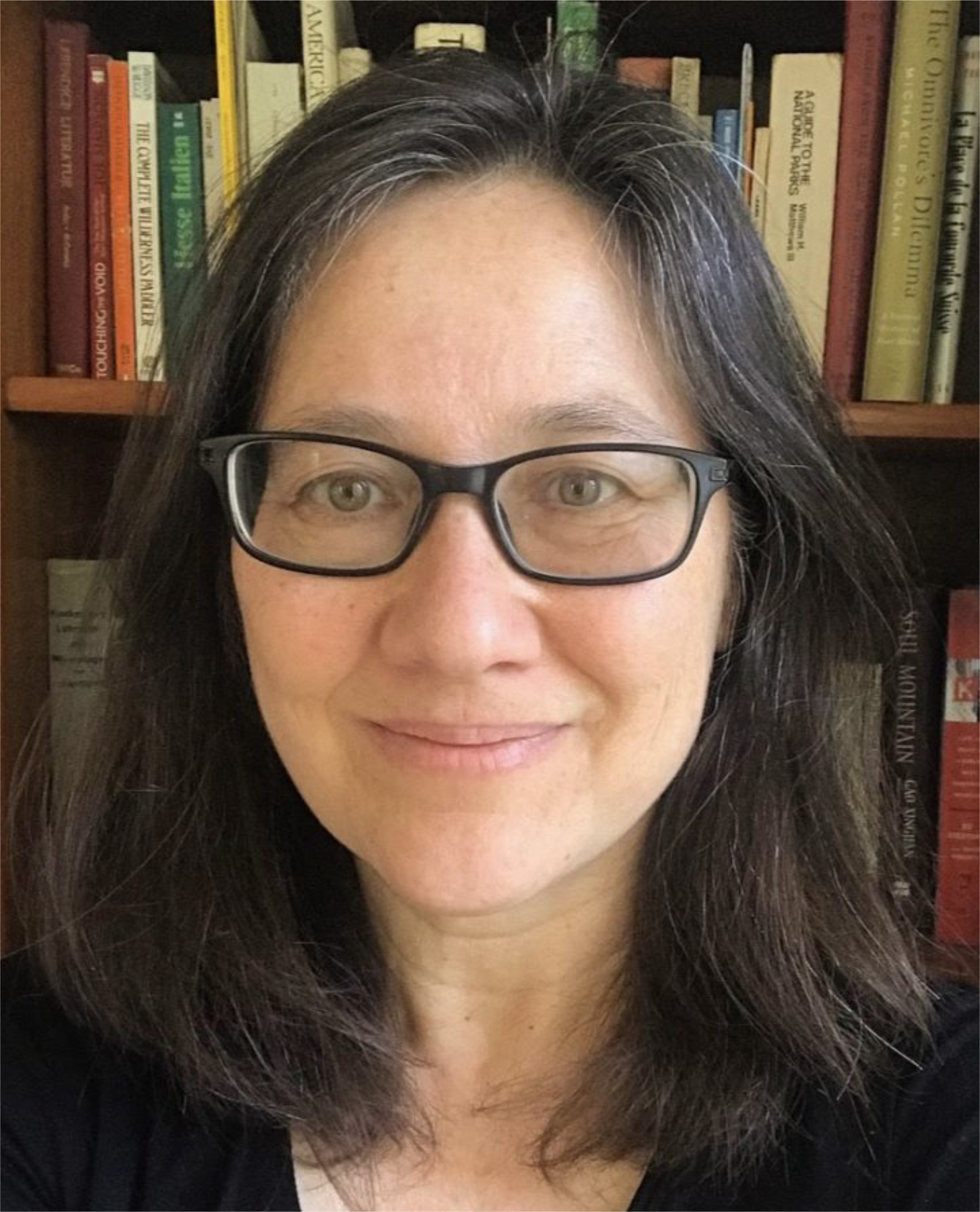
A scholar of immigration law and citizenship theory whose research examines how law is shaped by culture and identity. Variously honored, she was elected a member of the American Law Institute and a member of the International Scientific Advisory Board of the Max Planck Institute for the Study of Religious and Ethnic Diversity in Göttingen, Germany. Publications include Looking for Law in All the Wrong Places: Justice Beyond and Between (editor with Marianne Constable and Bryan Wagner) (Fordham University Press, 2019).
Executive Director
Center for the Study of Organized Hate
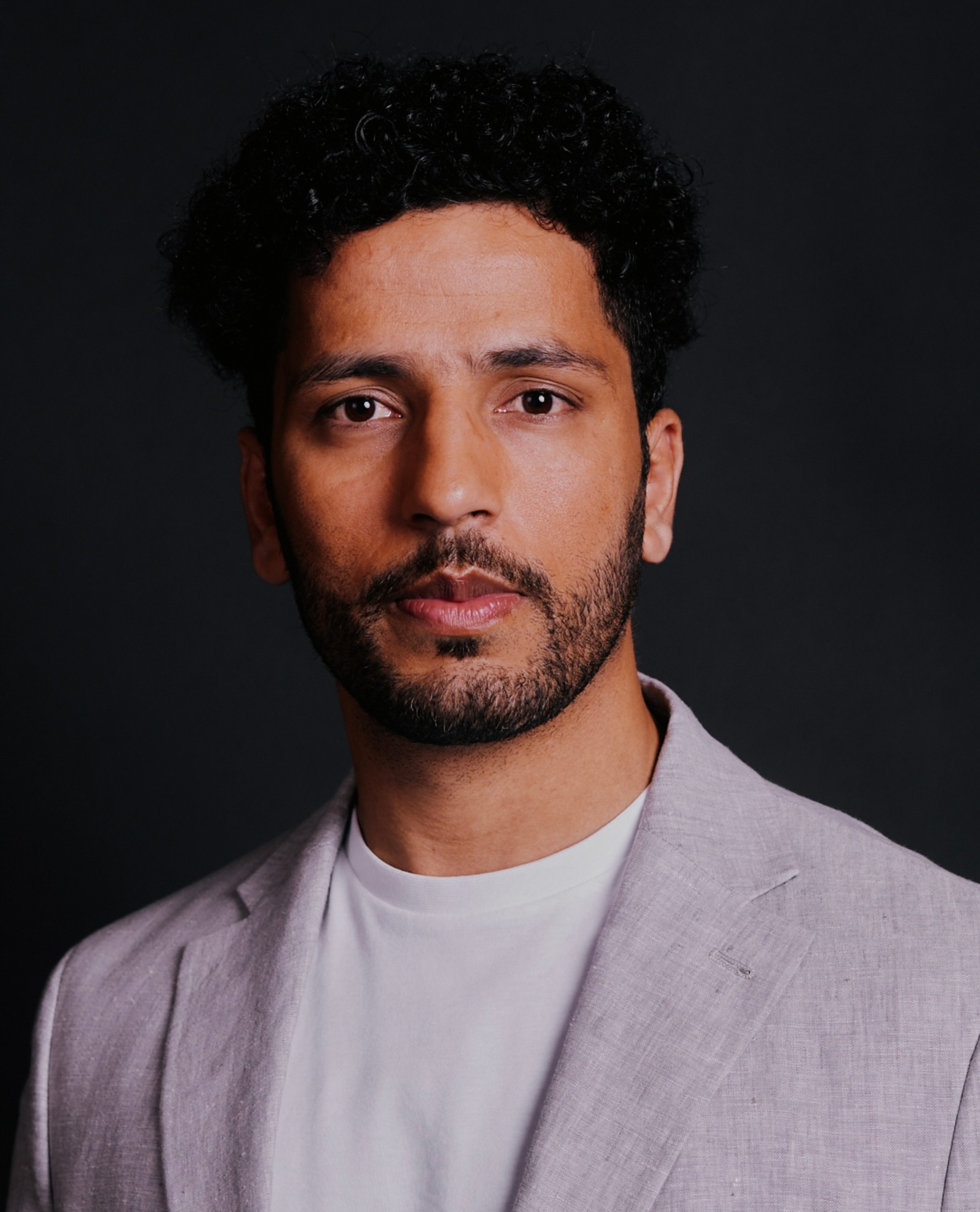
Naik is the Executive Director of the Center for the Study of Organized Hate (CSOH) and founder of Hindutva Watch, a real-time tracker of human rights abuses, and India Hate Lab, which documents and analyzes hate speech targeting India’s religious minorities both online and offline. Naik is a Research Fellow at the Political Conflict, Gender and People’s Rights Initiative at the Center for Race and Gender at the University of California, Berkeley, and a Fellow with the Human Rights Project at Bard College.
Professor
Department of Communication, Santa Clara University
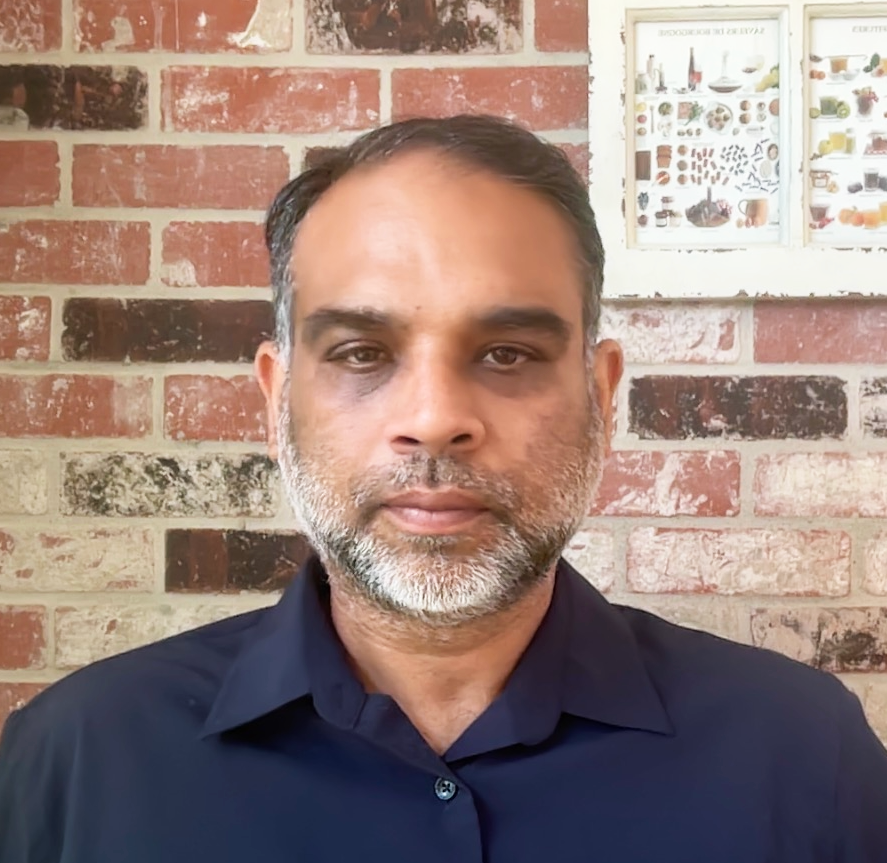
Rohit Chopra is Professor of Communication at Santa Clara University and Visiting Fellow at the Center for South Asia at Stanford University. Rohit also serves as Advisor to the Center for the Study of Organized Hate and has collaborated extensively with CSOH on reports and projects on hate speech, democracy, and rights. Rohit's research centers on online right-wing communities in various global contexts, the relationship between media, memory, and violence, and disability in media. He is the author of a forthcoming book on India after the 1992 demolition of the Babri Masjid. His recent books include The Gita for a Global World: Ethical Action in an Age of Flux (2021) and The Virtual Hindu Rashtra: Saffron Nationalism and New Media (2019).



Get the latest updates on CSOH research, events, and publications delivered directly to your inbox.